EXCLUSIVE: Why Audi's Driver Development Programme is about more than finding their next F1 star
Launched in January this year, Audi's Driver Development Programme is a vital component in the long-term success of the F1 team.
.png)
.webp)
In January this year, ahead of their maiden season as a works outfit in Formula 1, Audi announced the launch of their own Driver Development Programme.
Led by Allan McNish – now dovetailing with his role as the squad’s Racing Director – the programme (DDP) serves as a vital component in future-proofing the team as well as helping selected young drivers on their motorsport journeys. Currently there are two prospects signed up – Formula 3’s Freddie Slater and F1 ACADEMY’s Emma Felbermayr – while former F1 ACADEMY racer Carrie Schreiner serves as a mentor.
With the DDP now a few months on from going live – though the building blocks were in place well in advance – F1.com explores its important work so far, why McNish is viewed as a ‘second dad’ and why it has a vital moral obligation in shaping young drivers for their future lives regardless of whether they make the grade or not.
‘It’s a living organism’
“When we were looking at Formula 1, and general planning concepts, it was quite clear that one key part – and a key part that I know very well – is the driver,” says McNish, explaining the origins of the DDP and how it came about. The Scot raced in Formula 1 with Toyota in 2002 and has long been part of Audi’s motorsport activities, so he is well aware of what it takes to reach the top.
“The driver is not just [someone] driving fast, they’re also a kind of leader within the team. They're the ones that can be positive in the environment – but also sometimes it can be the other way – but it was quite clear that we need to be in a position, if we're wanting to be serious and fight at the top level, to actually have the right drivers involved in our programme.
“The other thing is that I've had very good experiences in my Audi career of having a good environment for drivers – in the way that we work together and the way that we understand how to actually get the best out of us and out of the team.
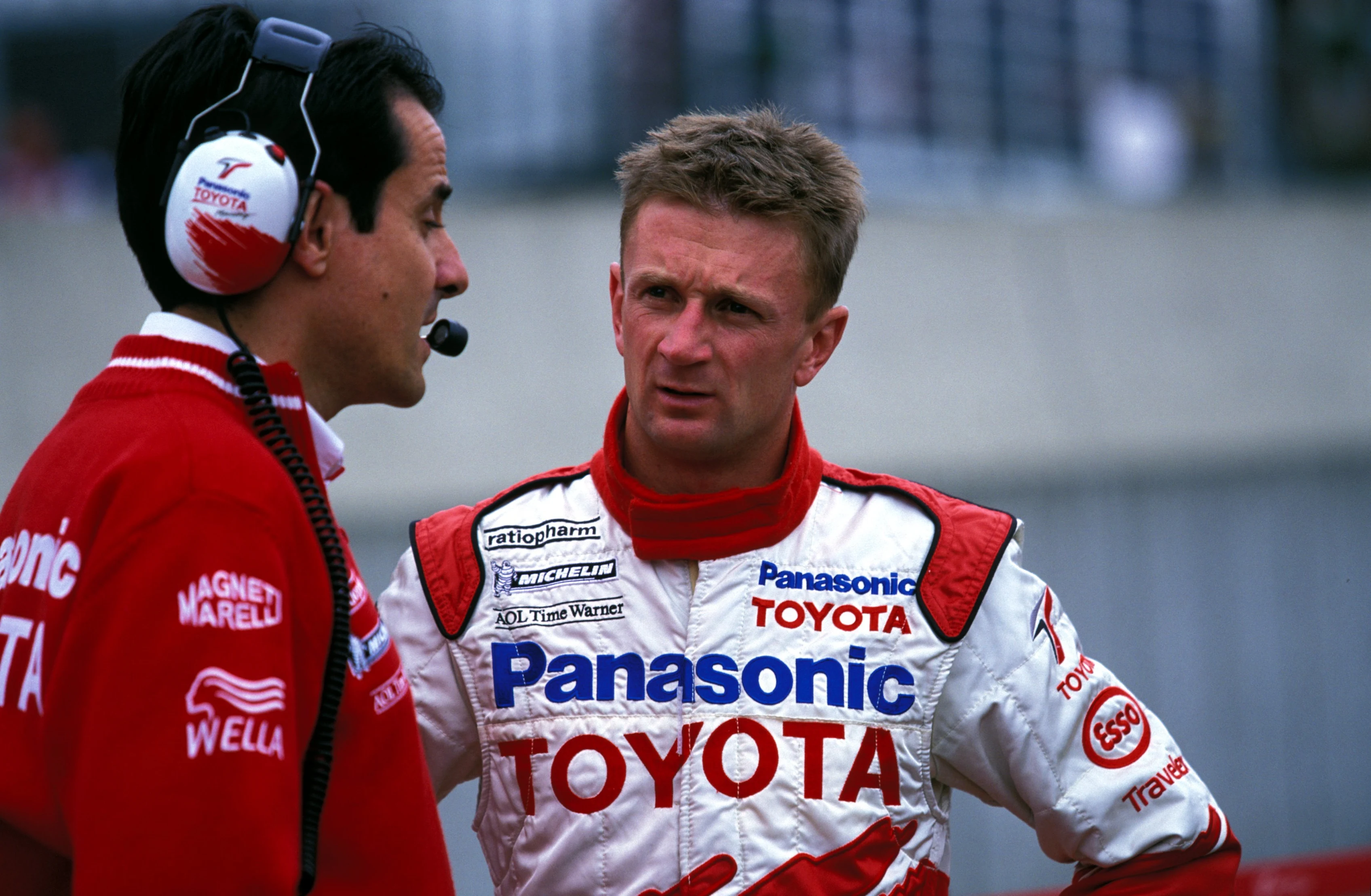
“So, I looked very early on – back in 2023 actually – about how we could set up a driver programme, what it would look like, what the general positioning is and the ethos. That was all put in place as a plan and then through 2024, and especially 2025, we started to execute that particular plan ready for 2026.”
Audi’s objective with their programme is clear – it’s to have the best drivers in the cockpit of their cars and to develop them in such a way so that, when they are called upon, they are ready. But setting up a programme is not a simple process.
“I would say it's a living organism,” McNish adds. “It's not something that you set up and then it just runs like that. It obviously has to evolve.
“Also, as drivers evolve – if you're dealing with someone in Freddie's position [compared to] dealing with someone like Freddie when he was 14 – they’re very different animals, without doubt. In that respect, I think it's dynamic and I quite enjoy that dynamism if I’m honest with you.”
The guidance that comes with being a part of the DDP
While it officially launched at the start of this year, Audi’s DDP has already evolved to a certain extent with the team bringing in additional support to assist with human performance and engineering development.
For example, Giampaolo Dall’Ara, who acted as the team’s Head of Race Engineering last season, has moved across to help with driver development while personnel from various departments are on hand to help with everything from marketing to communications.
All of that means both Slater and Felbermayr have a wealth of knowledge to hand already, as they continue to grow both on and off the track.
“Obviously they provide a lot of experiences or things behind the scenes – media training and things like this – and we evaluate after every race weekend how it went with Audi people and with Allan as well,” Slater explains.
“Allan is very experienced so we get to have good conversations with him about how the weekend went, what can we improve on, what we help with, all these sorts of things. It's just a mixture of different things. For me, like I say a lot, my goal is to become better every single day and they give me the opportunity to do that.”
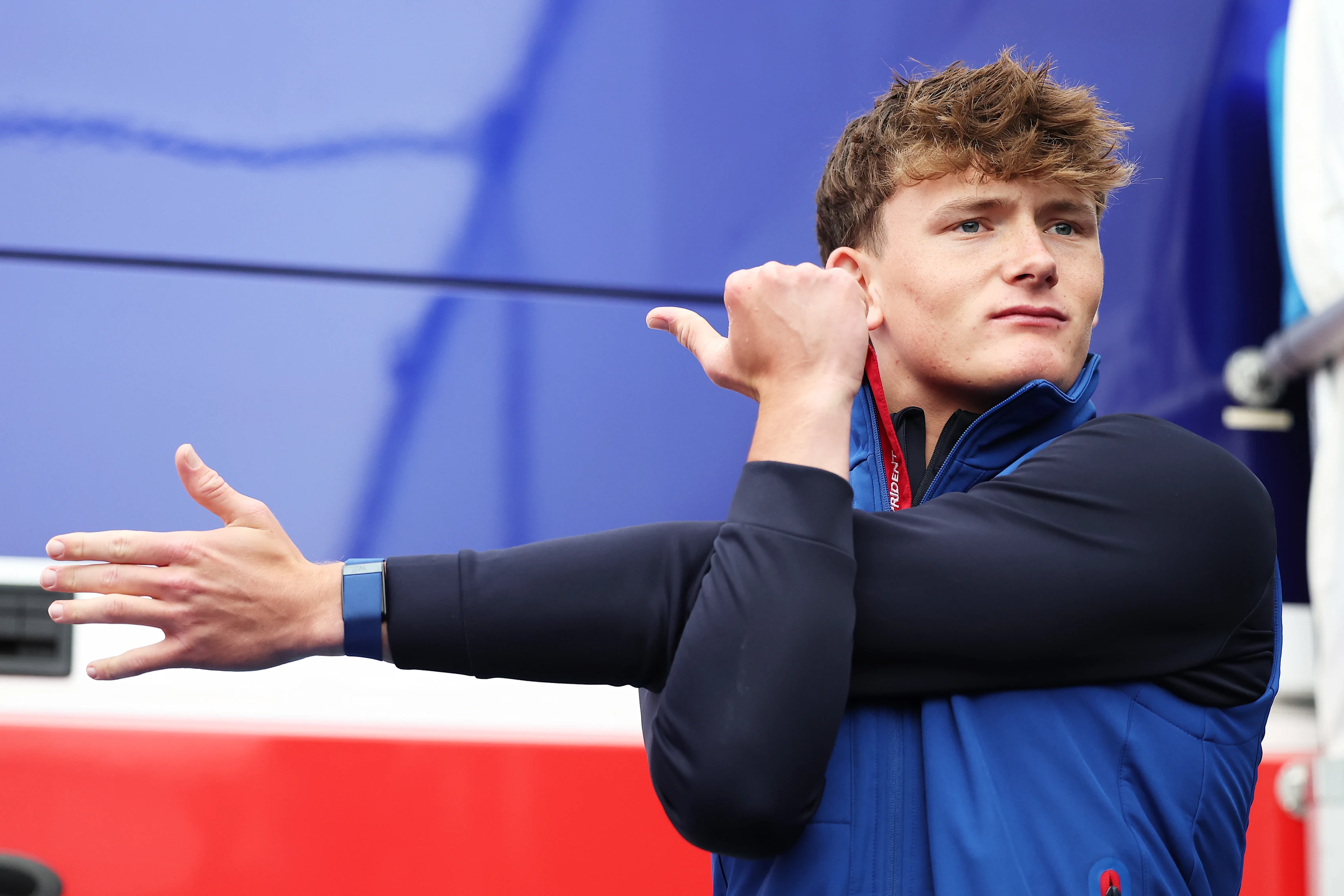
“I think I see it all over,” says Felbermayr as she evaluates where she feels she’s grown already. “Especially the physical help, for me it’s quite helpful. We get support from medics, getting the whole body scanned at the beginning of the year to know where you are, and then just building on that during the season to get stronger every day and also looking forward to the next categories.
“Now I'm really happy with my physical strength for that category but it gets harder and harder if you go further so that's something that helped me quite a lot.”
With the 19-year-old Austrian currently embarking on her second F1 ACADEMY season, she also has the added benefit of Schreiner to call upon as a mentor – a driver who has experienced the all-female series first hand.
“When I went into the first season [of F1 ACADEMY] last year, I didn't really know what to expect,” Felbermayr explains. “Everything was new to me. I remember the first race weekend, I didn't know what's going on, what we were doing, and Carrie was a big support just to prepare myself a bit better.
“I think you never can be as prepared as possible, because there's always something you don't expect or anything like that, but Carrie helped me a lot to be as prepared as possible.
“We have regular calls [and] we became friends. She's always there for me during the race weekend.”
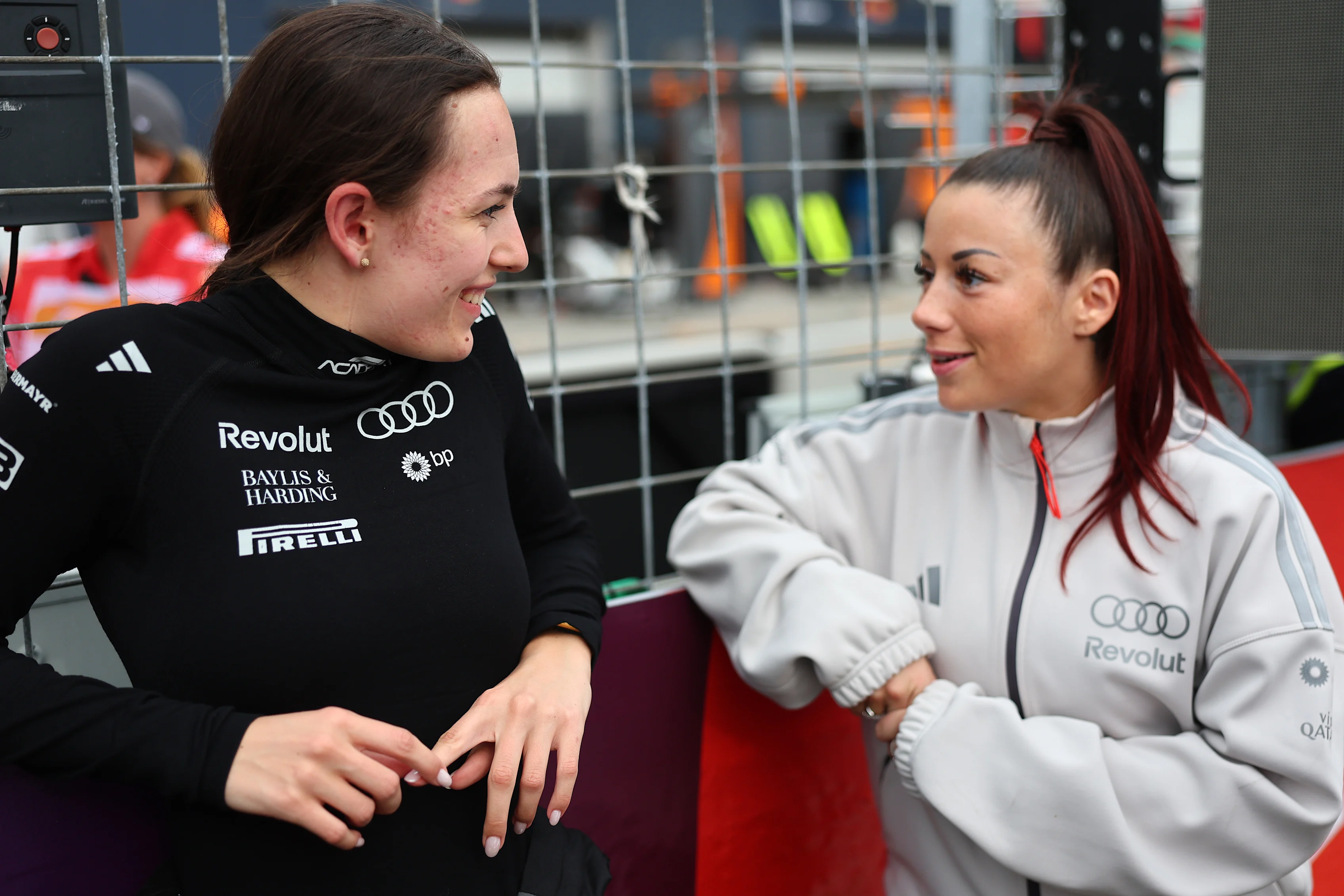
From McNish’s perspective, it’s also vital that the drivers are in an environment where they’re allowed to make mistakes. They are, after all, human – but the key to a young prospect’s development is learning how to bounce back and learn from disappointment.
“I remember when I was 17 and where I was on my human development,” says the Scot. “It was very different to where I was when I was 21 or 22 and I can see it with [Audi F1 driver] Gabi [Bortoleto].
“Gabi was actually on my original list [for the programme]. Gabi and Freddie were on that original list, and he had just started F3. There were six drivers that I was sort of [looking at] and two of them are with us now, so it's quite nice actually. But Gabi has evolved a lot in the last 24 months that I've known him and he's already been in Formula 1.
“From that perspective there is that evolution and you can never put an old head on young shoulders, but you can definitely support them to try and make the right mistakes because they will make mistakes.
“Everybody makes mistakes, I still make mistakes. Nico [Hulkenberg] makes mistakes, Gabi makes mistakes. It's about how you deal with them. It's like a long, long university in a way.”
The ‘very hard balance’
It’s no secret that motorsport, and the road to F1, is demanding. There are only 22 current spots on the grid and no shortage of drivers desperate to realise their dreams and make the grade.
That means there’s a lot of hard work in store for anyone wanting a career in motorsport’s top echelon, but balancing that effort with knowing when to rest is a significant challenge – something plenty of people can relate to in their own lines of work. That isn’t lost on McNish, who is acutely aware of the risks of burning the candle at both ends and the negative impact that can have.
“It's a very hard balance because it's very individual,” he explains. “I think I got it wrong personally when I was in my junior career at times, and that was before there was any work-life balance or mental health discussion, there was nothing like that at all. It was a very different era.
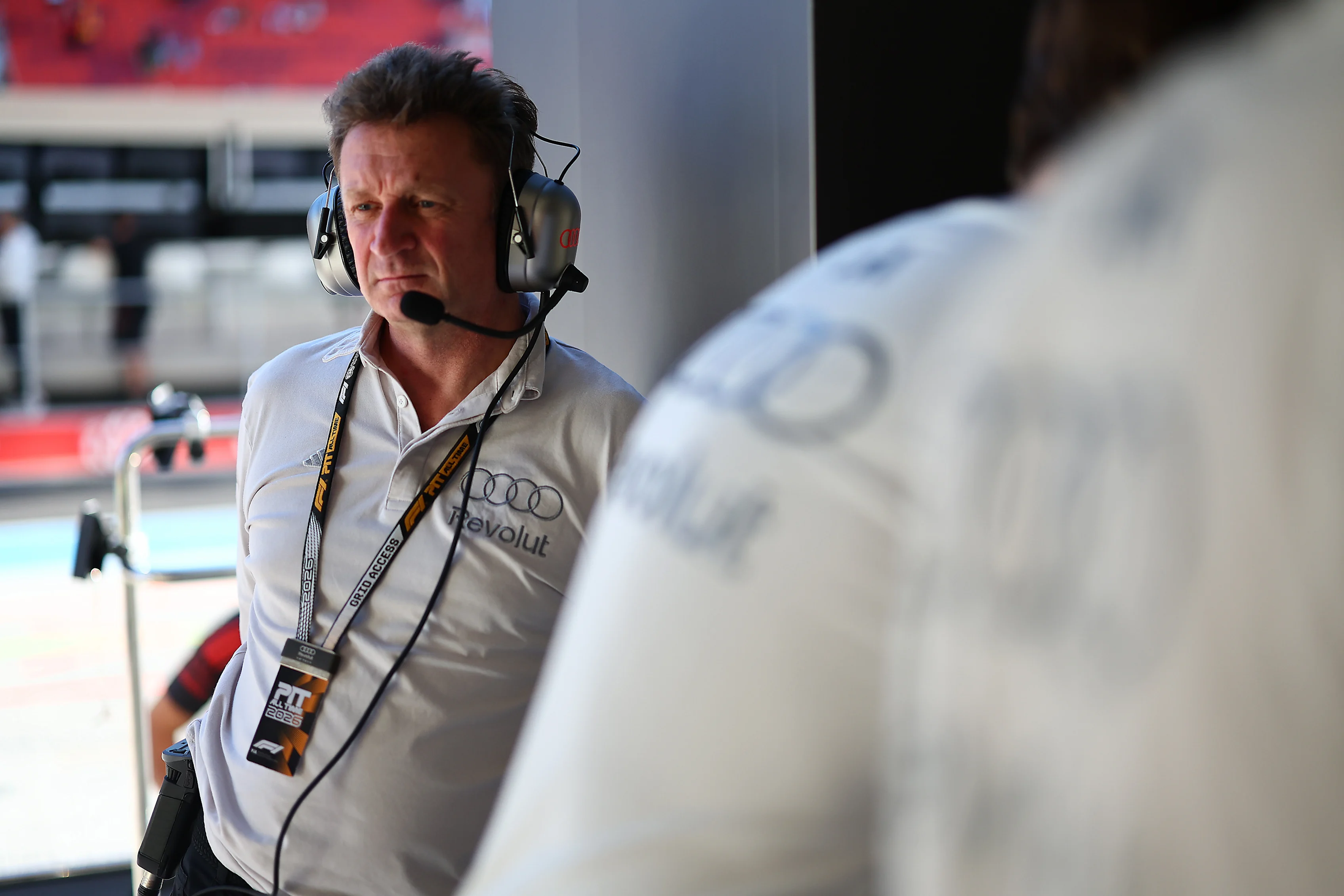
“But it is correct, you've got to introduce it at different times. For example, with Emma last year, and it was quite clear we signed her for F1 ACADEMY 2025 in preparation for 2026, that was a clear strategy.
“With Emma, last year we really didn't do very much in and around our social media. In fact, we proactively reduced it at the beginning. It was a case of trying to make sure that we brought it forward at the right time when she was ready to take it on because it's a big spotlight, rather than overloading from day one.
“It's about stage managing, and it's the same with Freddie. Freddie comes into this paddock now, but he's been under contract with us for quite a long time.
“In that respect, we're only bringing him in at the appropriate moment, because at the end of the day, what we want to do is for them to be able to take on board the wider roles of a racing driver at the higher stages when they can do it, not just necessarily overnight.”
‘He's always been a bit like a second dad’
One of the DDP’s undoubted advantages is McNish. While the former driver has landed himself a relatively new role as Audi’s Racing Director, following the departure earlier this year of Jonathan Wheatley, he is still absolutely committed to helping the stars of tomorrow develop.
That is never more evident than when you ask Slater and Felbermayr about what he’s like to work with.
“Allan was the first person I spoke to [at Audi] and he's always been a bit like a second dad at some points as well,” Slater says. “He’s helping me understand the way motorsport works and the way you should be thinking because he's been through it all.
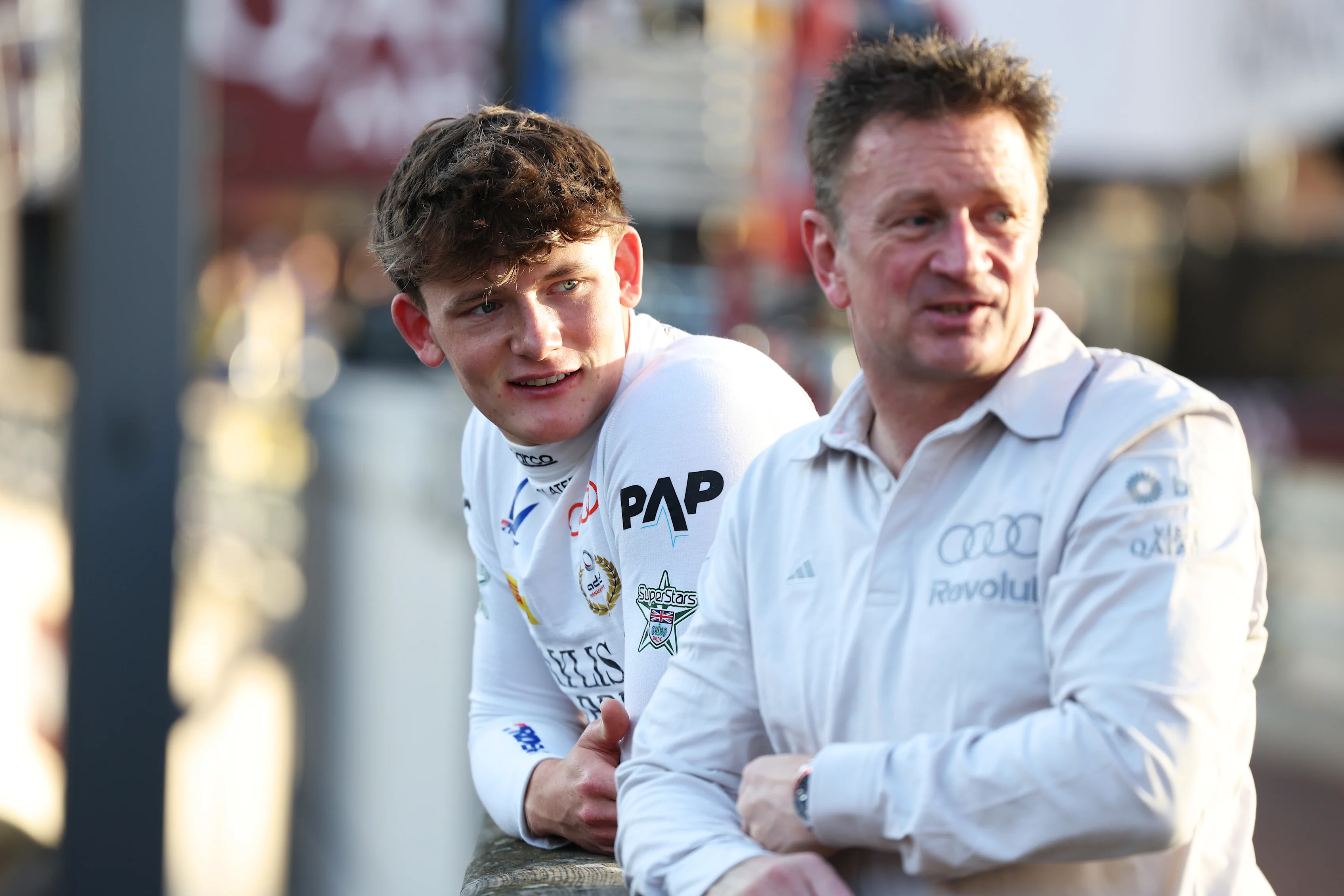
“To have someone like Allan to have a conversation with about the race – after a weekend or wherever it is – is really valuable for me to listen to. [He’s] someone who has kind of completed it and done such an amazing job, so he’s got a lot of knowledge and it’s very important to listen to him.”
Felbermayr agrees: “It's really easy to talk to him. Having a relationship and also having fun, that's really easy with him and that's also part of it.
“Without having fun on track, in the car… fun is part of being a driver in my opinion. If you don't have fun, [then] it's not going well or if you lose joy in what you're doing, you know?”
Part of that personability stems from McNish’s own experiences as a young driver himself, as well as a keen sense of moral obligation and passion for guiding young drivers. In a world where it could be so easy to be cut-throat, it’s not lost on him that he and the DDP have a responsibility in helping to shape these young drivers as people – not just as on-track athletes.
“His first dad is okay, I can tell you!” McNish responds when told how Slater sees him. “[Both of Freddie and Emma’s dads] have got a bit of racing blood inside them and the whole family, Mrs Felbermayr and Mrs Slater as well.
“They're supporting their children. I remember back to my mum and dad driving me up and down the roads. DC [David Coulthard] and I were from the same area and our parents would drive us up and down for seven hours to go to bloomin’ Clay Pigeon [Raceway] or Rye House [Kart Raceway] on a freezing cold December day.
“We were then on the bus on the Monday morning trying to do homework, if you bothered about doing your homework. [When you] see that sort of commitment – and there's a lot of commitment by parents – and yes there is an element we have in our objectives, which is related to performance, but we also have got a little bit of a moral obligation.
“Personally, and I think that's one thing that I like about [Audi], is that everybody that's involved in the project is living and breathing it more than necessarily a job. We're actually involved and taking care of it as if it was a very delicate egg. In reality, that's what we are.
“We're evolving that and [these] drivers are people at an early stage of their lives. For us, it's something that I take very personally to the point where I'm here for every F3 session. I watch on the weekends, or other races that are going on for drivers that we're maybe looking at for the future.
“My day off is not really a day off because I'm just invested in it and I think we're all in the same boat. That's something that I am quite proud of actually, that we've got that desire.”
He adds: “I remember having doors slammed in my face and not really knowing why and thinking, ‘I'm a good driver’. There is a point where I think we as an industry maybe have not always done it as well as some of the other sports, but at the same time we are obviously a performance-driven industry, and I think every driver understands that's the key part of it.”
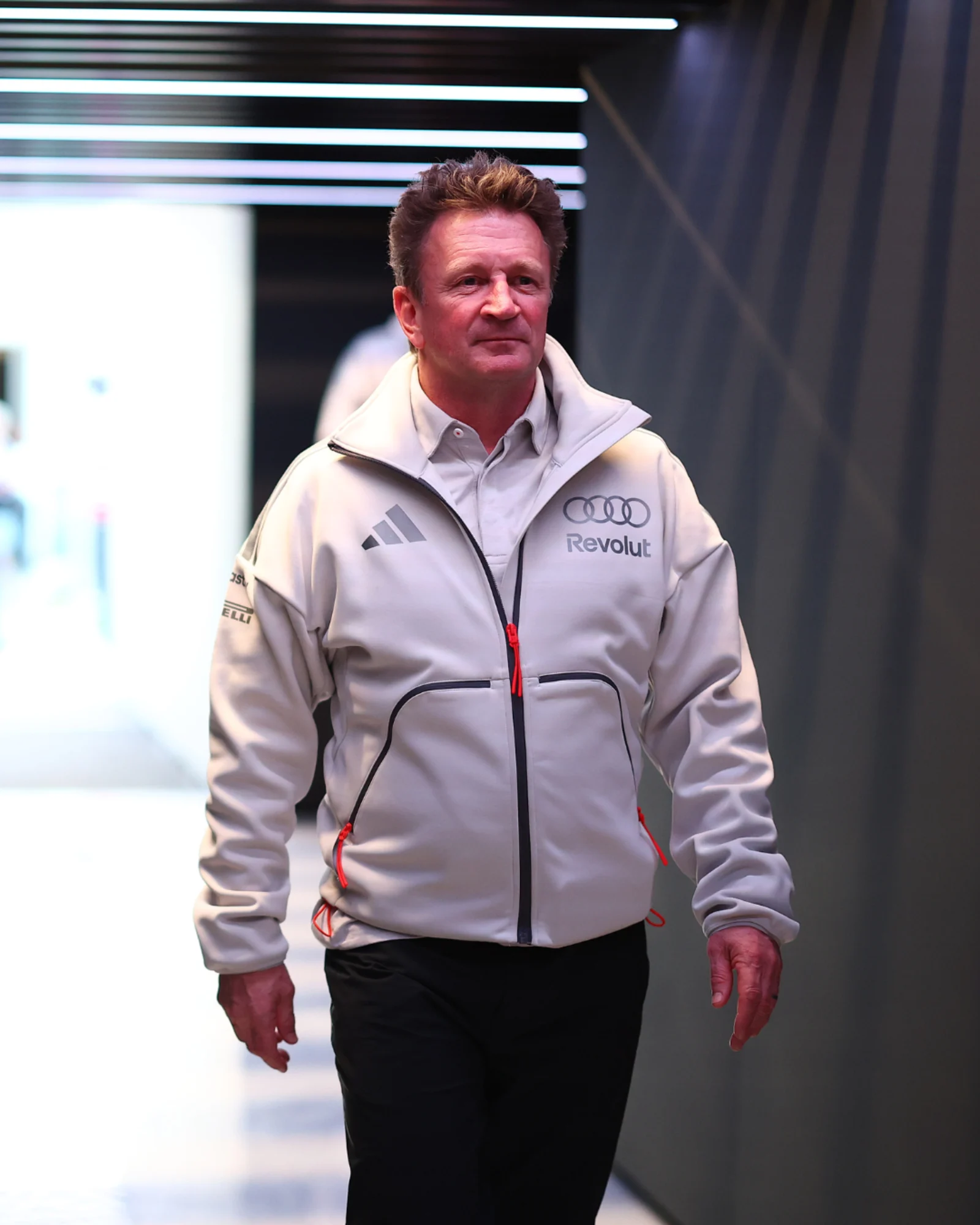
I remember having doors slammed in my face.
And how is McNish handling his DDP responsibilities with his Racing Director duties?
“It’s that work-life balance thing, I was talking about earlier!” he jokes. “I can't get involved with the level of detail that I did before, but at the same time the people we've got in our eco-system are well capable of doing it with or without me if I'm very honest with you.
“In that respect I'm very lucky that we've been able to bring a group together for it. But at the same time, it's not a job. For me, being here early is not really something that I see as an obligation. It's because I want to do it.
“I want to see how our drivers are. I talk about our drivers, and our drivers are not just Nico and Gabi, it's the width of drivers from top to bottom because everybody is there. They've got the [four rings] on their chest and on their back and they're wearing the rings on the car.”
The DDP’s clear focuses for the future
For Slater and Felbermayr, their personal goals are clear. Naturally the dream is to reach F1 but, with the guidance of Audi behind them, it’s all about maximising their opportunities as they progress through the ranks.
But what does the future hold for the DDP, given its relatively early age compared with other driver programmes?
“We've got two clear focuses,” says McNish. “One target is to develop drivers to sit in a Formula 1 car. But part of that as well is to develop drivers to win in F1 ACADEMY, and that is a clear strategic point for us.
“If I think back in Audi, Michele Mouton or Rahel Frey or Tamara Vidali, [they] are just three names that have popped out that have been involved in Audi’s racing programmes from the 1980s to now.
“We’ve always had that in there, but at the same time looking to see how we can evolve their careers beyond F1 ACADEMY as well, it's not a case of just stopping there. So, there are those two clear targets for us.
“Now, we need to also then have the next Emma and the next Freddie coming through and that's what we're targeting at the moment. That's the next stage of development, the next Emma and the next Freddie. That’s not to replace, but to complement.”
.webp)
Next Up
Related Articles
 Hamilton reveals his focus in the title fight
.webp) Why Red Bull have committed to Hadjar for a second season
Why Red Bull have committed to Hadjar for a second season When is the earliest Antonelli could win the title?
.webp) 10 of the best off-track F1 moments from 10 years in Baku
10 of the best off-track F1 moments from 10 years in Baku/GettyImages-2295022414.webp) Why Sainz and Albon remain cautious on Williams upgrade package
Why Sainz and Albon remain cautious on Williams upgrade package/Piastri%20Madrid.webp) How can Piastri recover from ‘anonymous’ Madrid weekend?
How can Piastri recover from ‘anonymous’ Madrid weekend?