The elite group Norris joins as a McLaren World Champion
With victory in the 2025 season finale, Lando Norris became the eighth driver to win a World Championship with McLaren.
.webp)
Those who have been crowned World Champion while racing for McLaren all share a certain tenacity, and their journeys to the top have rarely been smooth. Whether it’s fierce rivalries or troubling reliability issues, they’ve had their fair share of hurdles to overcome en route to the history books.
The Woking outfit have produced a champion in nearly every decade, with Lando Norris becoming the latest to join the illustrious list that includes, among others, legendary drivers like Lewis Hamilton, Ayrton Senna and Niki Lauda. We take a look at how each of these deserved winners fought for their titles with the historic team…
Emerson Fittipaldi – 1974
When Fittipaldi made a surprise move to McLaren in 1974, it felt like a strange choice – he had already won a title with Lotus, a team that had shown time and again they were one of the greatest throughout the 1960s and 70s. McLaren, on the other hand, had a fairly lacklustre start to their F1 adventure and were far from the success that Colin Chapman’s team had become.
But the Brazilian driver identified that, while unproven, Bruce McLaren’s legacy had ambition and enthusiasm, and their 1973 challenger had looked rapid despite its flaws. It didn’t take long for Fittipaldi to harness their updated 1974 car, winning his first race in Round 2 at his home event, and after three more Grands Prix he took the lead in the standings.
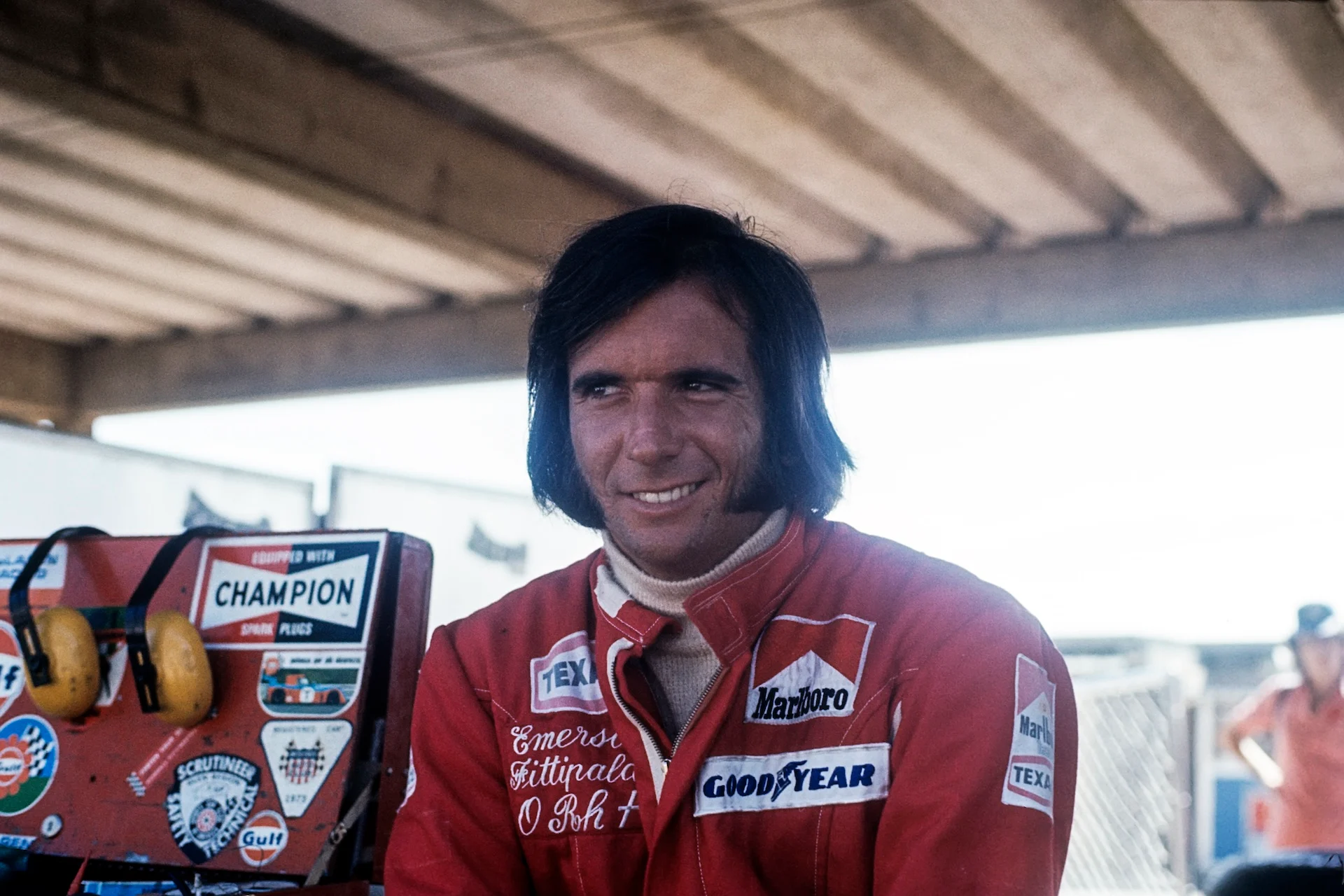
His performance, while strong, was far from dominant as the points advantage swung constantly – his team mate Denny Hulme and the Ferrari pair of Lauda and Clay Regazzoni all took a turn at the top.
While he only won three races out of 15, additional podiums kept Fittipaldi in the fight alongside Regazzoni, with the pair arriving at the finale at Watkins Glen level on points to lay the foundations for the now iconic McLaren vs Ferrari rivalry. Adding an extra obstacle, both struggled with the track’s bumpy surface and qualified in eighth and ninth, with the Italian starting just ahead.
Fittipaldi knew that his rival was more than willing to take risks, leaving him keen to pass as quickly as possible and avoid Regazzoni shutting the door on him at a later stage. The Ferrari driver actually got the better launch at lights out, but Fittipaldi stuck close behind him and tried to overtake down the inside. As expected, he was left no space and dropped two wheels onto the grass, barely avoiding a spin before he immediately veered back onto the circuit to surprise Regazzoni and surge past. He charged away and built an unassailable gap, eventually crossing the line in fourth and securing the title with 55 points, three clear of his nearest rival.
James Hunt – 1976
Fast forward another two seasons and it was no longer McLaren who needed to impress, but the archetypal lovable rogue James Hunt, who had to find a new team after Lord Hesketh announced he no longer had the money to fund the effort to crown the next British World Champion.
Hunt was known to push to the limit both on and off track – he had gained the moniker of ‘Hunt the Shunt’ after some dreadful crashes early in his career – and his playboy lifestyle had been well documented. Yet he immediately made his mark at McLaren by securing pole position at the season opener in Brazil.
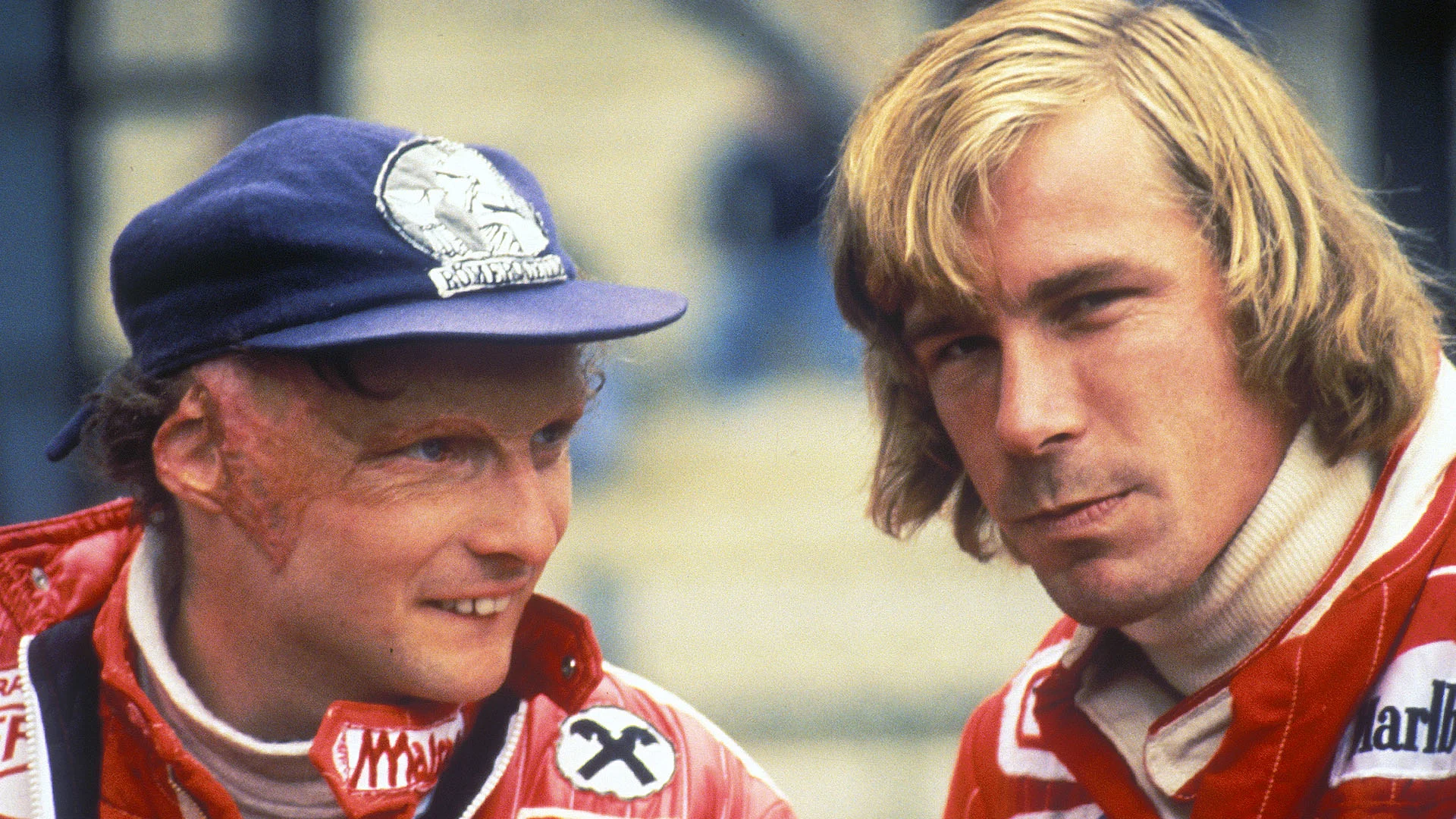
Raw speed helped him start on the front row numerous times, often alongside his main competitor, Ferrari’s Lauda. That wasn’t nearly enough to be considered a title contender from the start, with his explosive emotions and reliability problems frequently knocking him out of races while the Austrian dominated early on.
There were more lows to come for Hunt as DNFs and disqualifications thwarted his title challenge, leading to Tyrrell’s Jody Scheckter becoming Lauda’s closest rival in the standings before the Briton’s fortunes finally turned at Paul Ricard. The combination of pole and victory with engine failures for both Ferraris was everything he needed to drag himself back into contention.
1976 proved to be one of the most defining seasons in F1 history as Lauda suffered his infamous fiery crash at the Nurburgring, where his fuel tank ruptured and the car was engulfed in flames. Miraculously, he only missed two rounds to begin healing his extensive burns and returned to find that Hunt had chipped away at his lead, so much so that he only had a three-point advantage heading into the final round, the first ever Japanese Grand Prix.
McLaren booked a private test day to get to grips with the new circuit – call it clever or unfair, but it helped Hunt to take the lead of the race amid pouring rain and fog while Lauda withdrew on the second lap due to the treacherous conditions. A puncture jeopardised the Briton’s chances, but he recovered to P3 and became World Champion by a single point.
Niki Lauda – 1984
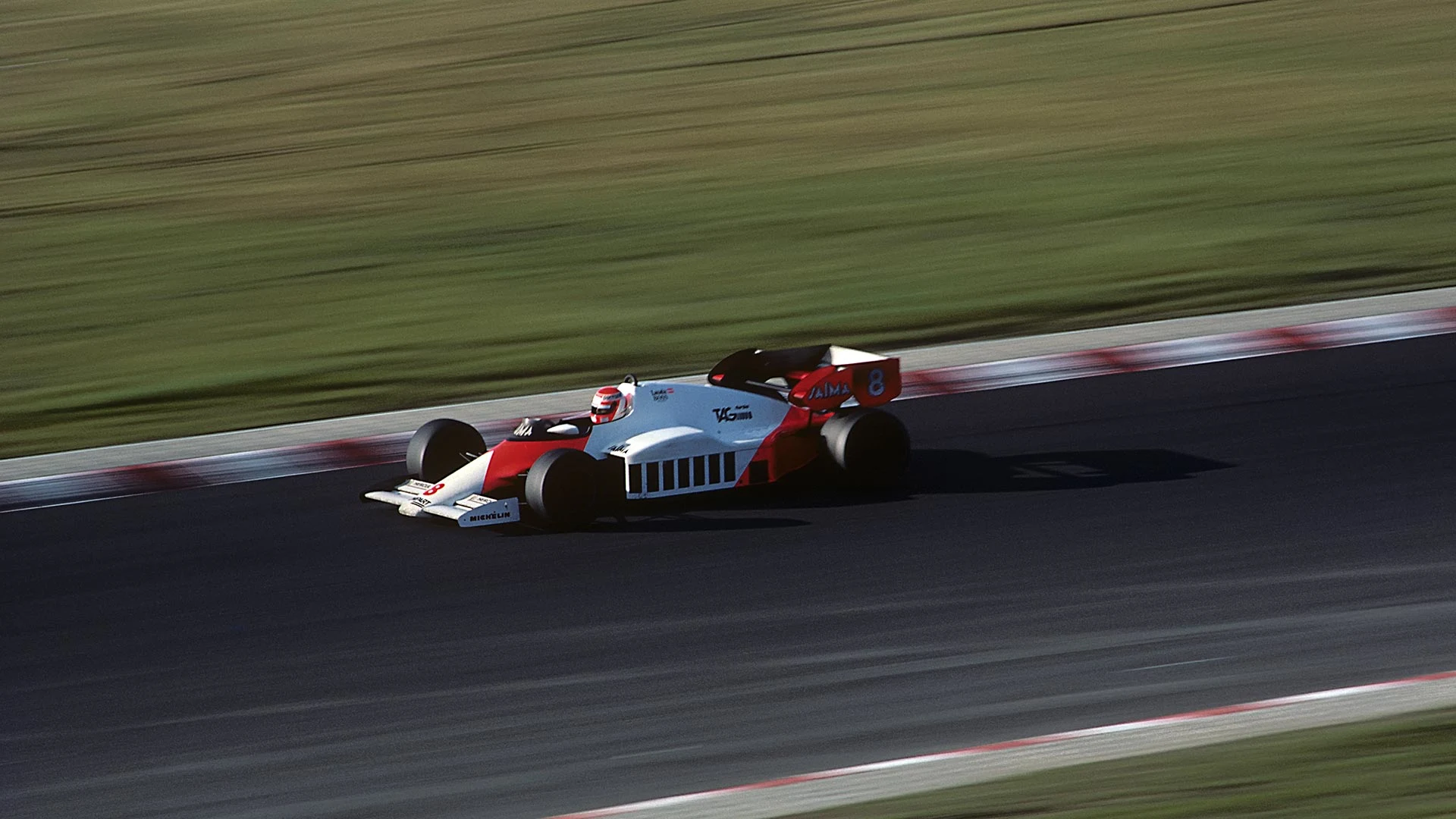
After a three-year sabbatical, and with two titles already won at Ferrari, Lauda joined McLaren in 1982 to partner Alain Prost. The pairing was genius but volatile as both had already established themselves as incredible racers and wanted nothing more than to beat one another, especially as Lauda was coming off the back of scoring just 12 points the previous season.
Thanks to their new Porsche TAG engines, McLaren thrived, winning 12 out of 16 races in what turned out to be the closest Championship fight in F1 history. Prost and Lauda were remarkably evenly matched when it came to victories, and the same applied to their poor reliability too, so much so that a pattern developed over the year – whenever Lauda took nine points for a win, Prost failed to finish the race. But when Prost won, Lauda still added points to his tally and gradually cut down the Frenchman’s lead.
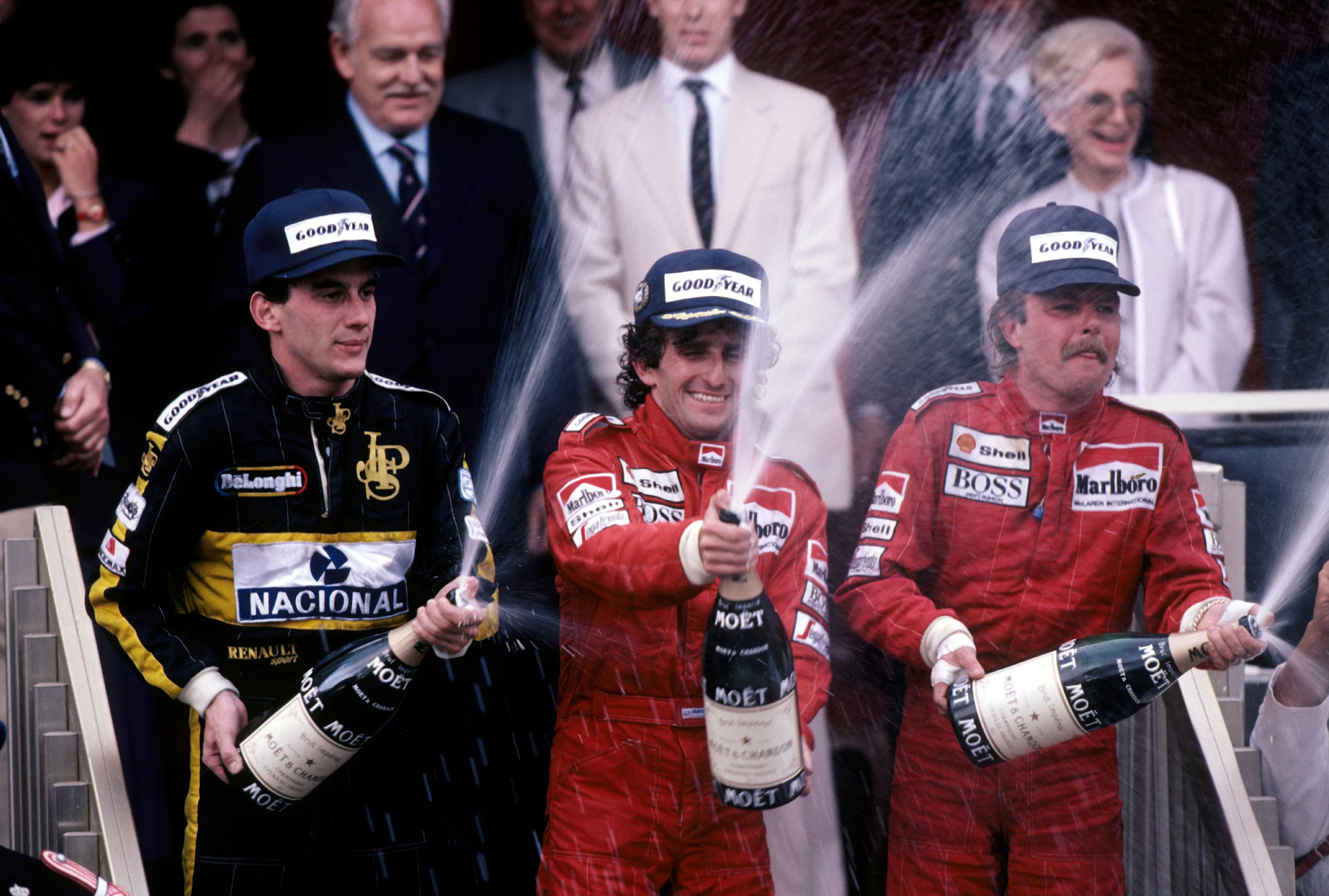
As it turned out, even those low scoring weekends were critical, including the rain-soaked Monaco Grand Prix which was cancelled and half points were awarded. Prost took 4.5 for winning, but was nevertheless overshadowed by a young Senna’s awe-inspiring performance in the wet weather.
More wins and DNFs meant that the McLaren pair entered the final round with Lauda on 66 points and Prost on 62.5. Despite his lead, it looked as though it would all unravel for the Austrian driver as he ended the season with zero pole positions, qualifying 11th with Prost far ahead in second. After 33 laps, he had worked his way up to third while his team mate led from Nigel Mansell, who suffered a brake issue and spun out to promote Lauda to P2. Without any further drama, that was enough for Lauda to beat Prost to the title by a miniscule margin of half a point.
Alain Prost – 1985, 1986, 1989
For three seasons running, Prost had been denied the Championship by Lauda, Nelson Piquet and Keke Rosberg, leaving him as one of the favourites for the 1985 title. He had spent the years of near-misses honing his race craft, which proved to be his saving grace in a season where McLaren were not the fastest in Qualifying trim – he only took two pole positions, but a superb run saw him stand on the podium in nine of 11 rounds following a flawless drive in Monaco.
Ferrari’s Michele Alboreto was enjoying similarly strong performances, but statement victories in Austria and Italy saw Prost build a 12-point lead over his nearest rival, who would go on to retire from the final four rounds. A P4 finish at Brands Hatch was enough for the Frenchman to cruise to the title, solidifying his status as one of the sport’s greatest drivers.
McLaren’s advantage over other teams faded the following year as Williams surged forward, aided by their formidable line-up of Mansell and Piquet. As 2025 also showed, having two brilliant drivers can be a blessing and a curse as they repeatedly took points off one another, allowing Prost to take advantage and secure his second title in 1986.
While others were undoubtedly faster, he was so consistent with his podium finishes that he began the finale in Australia just six points adrift of Mansell, with Piquet a single point further back. He had an outside chance, but needed to win the race no matter what, which is exactly what he did. Goodyear maintained that one set of tyres would last the whole race, a prediction that proved to be Mansell’s undoing as his left-rear gave way, forcing him to weave onto the escape road while Prost stormed to another victory.
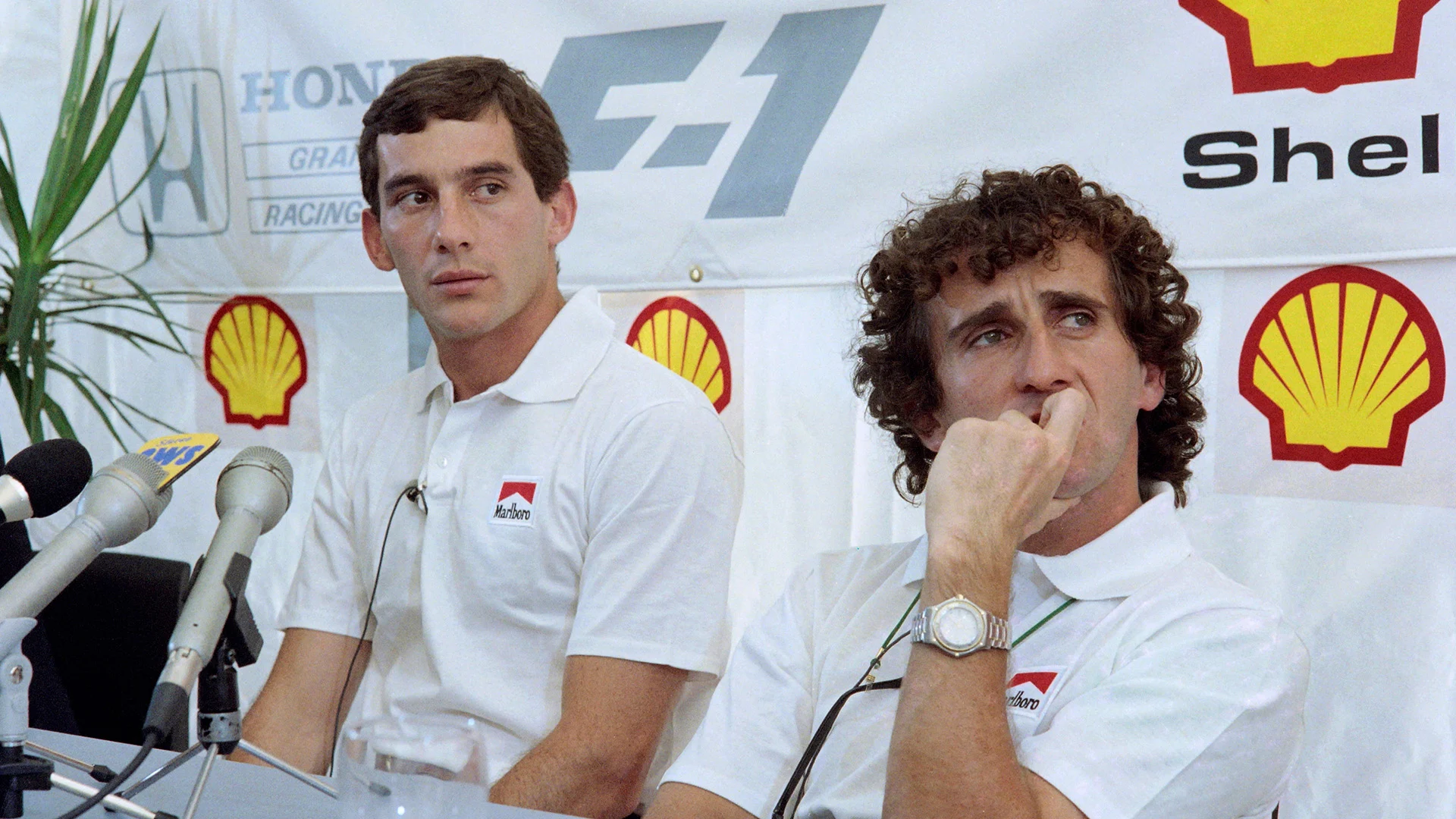
By that point, ‘The Professor’ had honed his cerebral approach to driving – winning races came naturally to him, but staying out of conflict with both competitors and his own team did not. He would split races into stages, conserving performance before launching a late challenge, whereas his team mate Senna would go flat out constantly, simultaneously endearing fans and infuriating Prost.
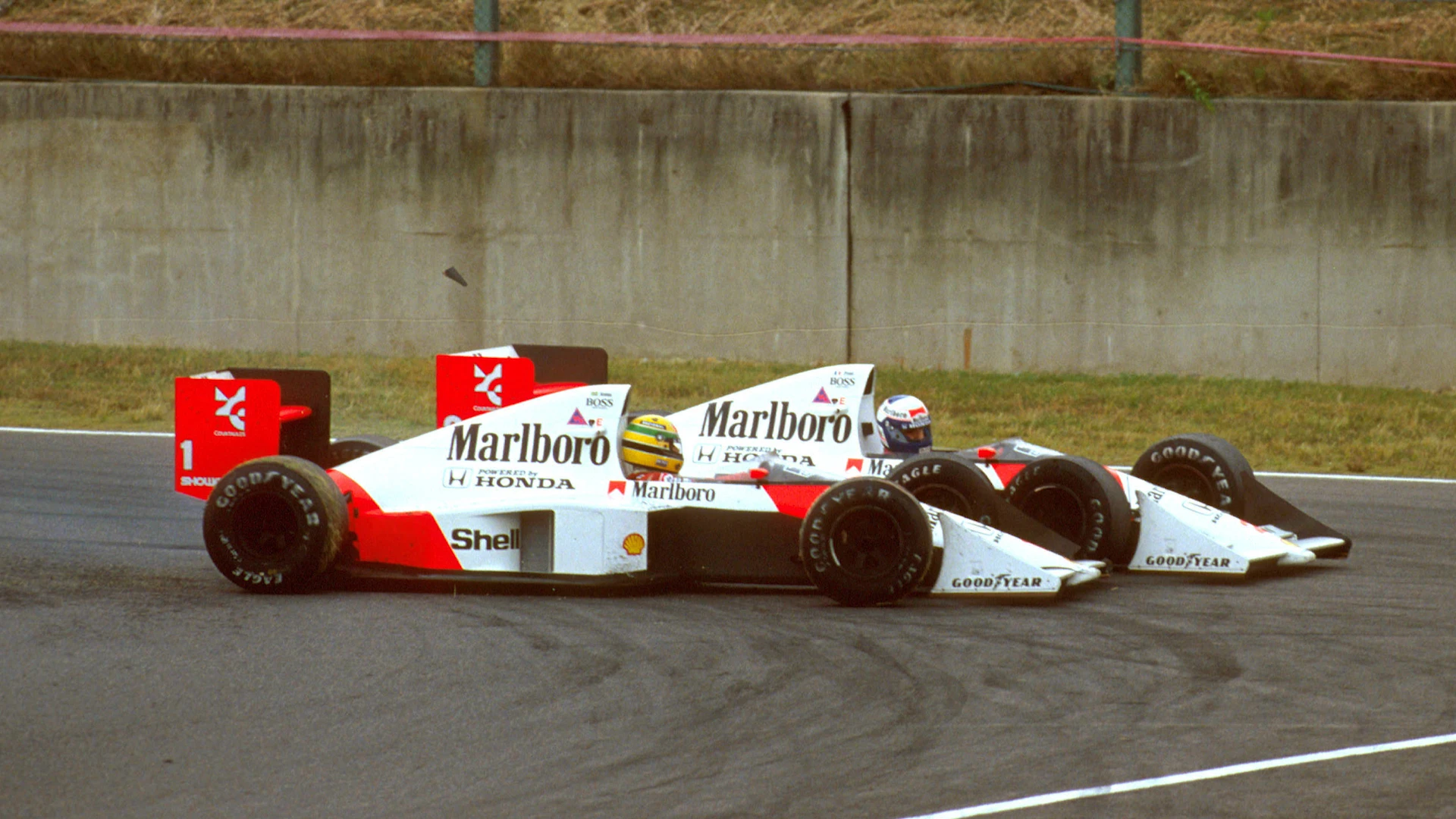
No other team could match McLaren’s consistency in 1989, so with little competition in terms of constructors, the feud turned inwards and the unprecedented rivalry between Prost and Senna reached its controversial climax. Their collision at the Japanese Grand Prix is still talked about now, but it was the result of months of bitter clashes.
Despite admitting that they had found differences in each driver’s engines, Team Principal Ron Dennis switched his allegiance from Prost to Senna after a heated Italian Grand Prix where the Frenchman announced he would be leaving for Ferrari in 1990. An incident with the trophy and very passionate tifosi enraged Dennis further, leaving Prost to fight his own battle in the remaining rounds.
Arriving at Suzuka, he was 16 points clear of Senna and would seal the title if the Brazilian retired from either of the final two races. In classic Senna style, he refused to yield when trying to overtake Prost, sending both of them skidding down the escape road. Marshals helped him restart the car and he went on to win the race while the Frenchman retired, but Senna was soon disqualified for cutting the chicane and therefore not completing a full lap, granting Prost his third and final Championship.
Ayrton Senna – 1988, 1990, 1991
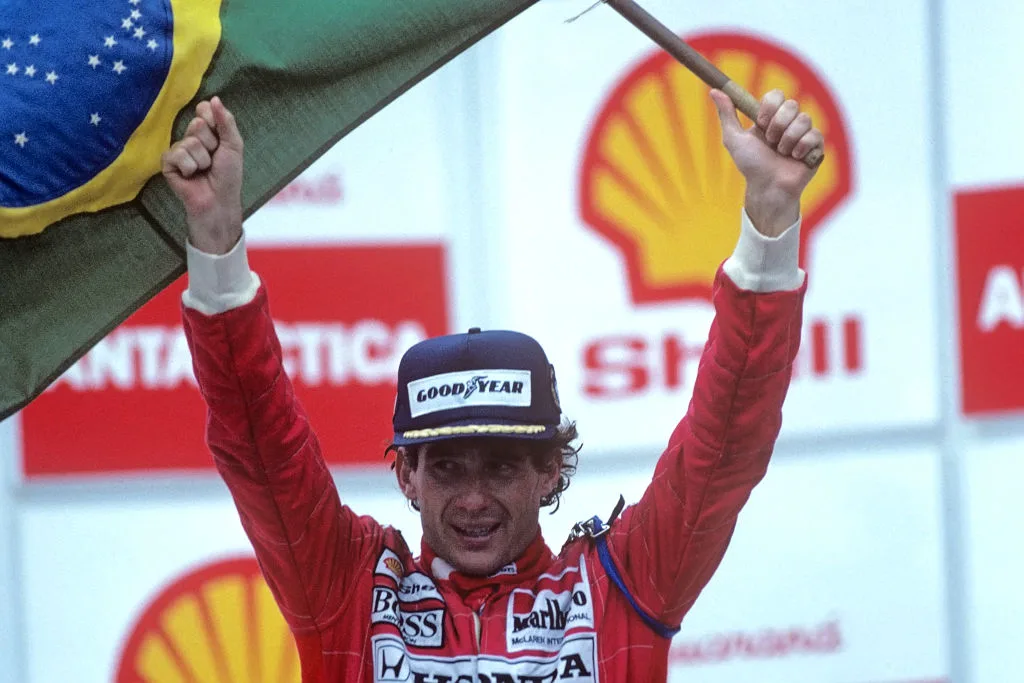
With the exception of a particularly good year for Williams and Piquet in 1987, McLaren drivers dominated the Championship in the mid- to late-1980s as Prost and Senna shared the titles between them, which sounds a lot more cordial than the reality.
Keen to reclaim the top spot in 1988, the pair won 15 of the 16 rounds between them as some teams opted to anticipate the following season’s regulation changes that included a mandatory switch to naturally aspirated engines. McLaren instead used a Honda turbocharged engine, which gave them a significant advantage over the other teams and even led to Prost and Senna lapping the entire field on one occasion.
Come the end of the season, the Frenchman had technically outscored Senna by 11 points, but the system meant that only a driver’s 11 best results counted towards the Championship. With eight wins and three P2 finishes, Senna narrowly beat Prost with 90 points to 87, paving the way for their feud to escalate even further, especially once Prost left for Ferrari.
In a direct swap for 1990, Gerhard Berger joined McLaren while Prost mounted the Scuderia’s first title challenge in years. The battle between the two teams was vicious, but Prost had the upper hand after wins in Mexico, France and Britain before his rival bounced back with three more victories in the following five rounds, giving him a nine-point lead in the Standings as they returned to Japan.
For the second consecutive year, the duo dramatically crashed out of the race after Senna raged that despite taking pole position, it was Prost who started on the preferred side of the grid. The Brazilian also retired from the final round in Australia, but still managed to win the title by seven points due to the rule that allowed drivers to discount their worst scores from the Championship.
Their rivalry wasn’t quite as spirited in 1991, which was the last season to feature the celebrated quartet of Senna, Prost, Piquet and Mansell – they won 93 of the 112 Grands Prix since 1985 – but furious conflict with Ferrari and a lack of reliability prevented Prost from winning any in his final season with the team.
With the Frenchman out of contention, Senna faced the challenge of Mansell, who won five races upon his return to Williams while the Brazilian was victorious in seven. For the first time, all points counted towards the Championship, giving Senna a clear advantage as he was a regular fixture on the podium while the Briton suffered five impactful retirements. With the help of team mate Berger, the title was once again decided in Japan, where McLaren secured a 1-2 finish and Senna ultimately beat Mansell by 24 points.
Mika Hakkinen – 1998, 1999
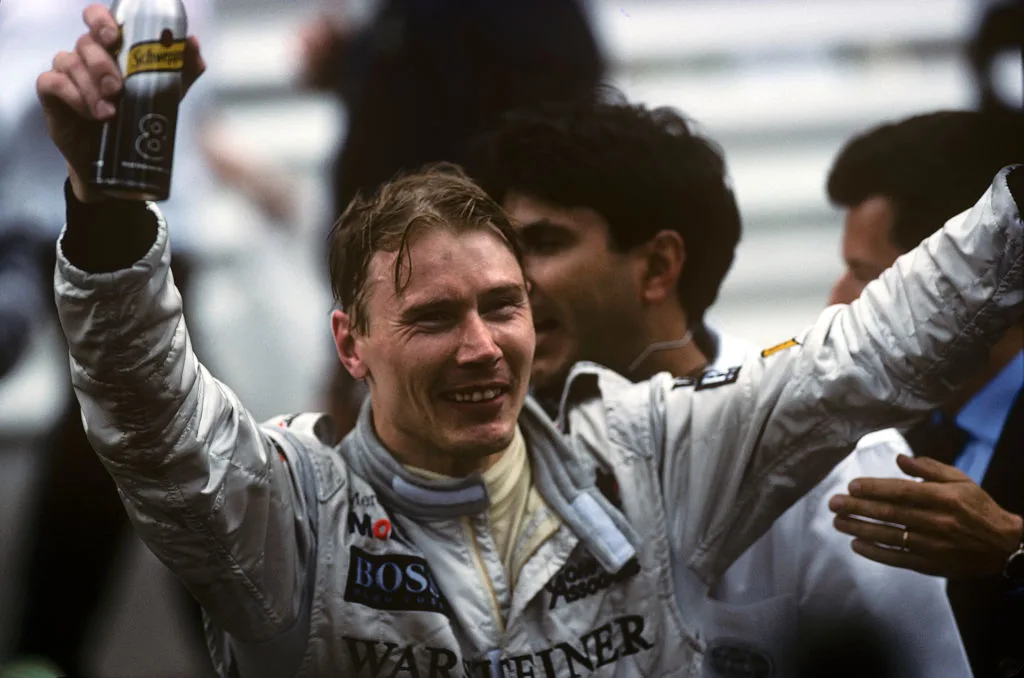
Williams went on to flourish for the next few seasons until everything fell into place once again for McLaren, when the new Technical Director Adrian Newey provided Mika Hakkinen with a Championship-worthy car. Having claimed his maiden victory in 1997, the so-called Flying Finn was eager to go even further in his eighth F1 season and was aided greatly by his team mate David Coulthard.
Learning from the clashes between Prost and Senna, McLaren implemented pre-agreed orders that fuelled their dominance – in the season opener, for example, Coulthard let Hakkinen through after the Finn mistakenly headed to the pits, honouring their deal that whoever led at the first corner would be prioritised.
Questions about the legality of McLaren’s braking system arose, but they continued to succeed until a raft of errors and mechanical failures allowed the then two-time World Champion Michael Schumacher to draw level on points with Hakkinen with two rounds remaining. However, any jeopardy quickly vanished as the McLaren driver beat Schumacher with ease in both races to end the season on a neat 100 points.
Their battle reared its head again the following year, with Ferrari winning the Teams’ Championship by just four points over the Woking outfit. Like other Champions before him, it was a case of all or nothing for Hakkinen, who either retired or finished on the podium in 15 of the 16 rounds. After a confident start to 1999, Schumacher broke his leg in an incident at Silverstone and was subsequently ruled out of title contention as Eddie Irvine unexpectedly became the senior driver at Ferrari.
Hakkinen wasn’t exactly running away with it as, by Round 12, he led Irvine by just one point, which backfired when Schumacher returned for the penultimate round in Malaysia. Playing the team game, he handed Irvine the lead of the race and backed up the Finn, allowing the Ferrari driver to jump to first in the Standings with a four-point advantage. All that work briefly turned out to be for nothing as the Scuderia were disqualified due to their cars being deemed illegal, but their subsequent appeal was successful and the Championship again went down to the wire.
McLaren’s newfound harmonious team dynamic is what secured victory for Hakkinen in Japan, with Coulthard backing Irvine up while the Finn sped away, resisting constant pressure from Schumacher to win with 76 points to Irvine’s 74.
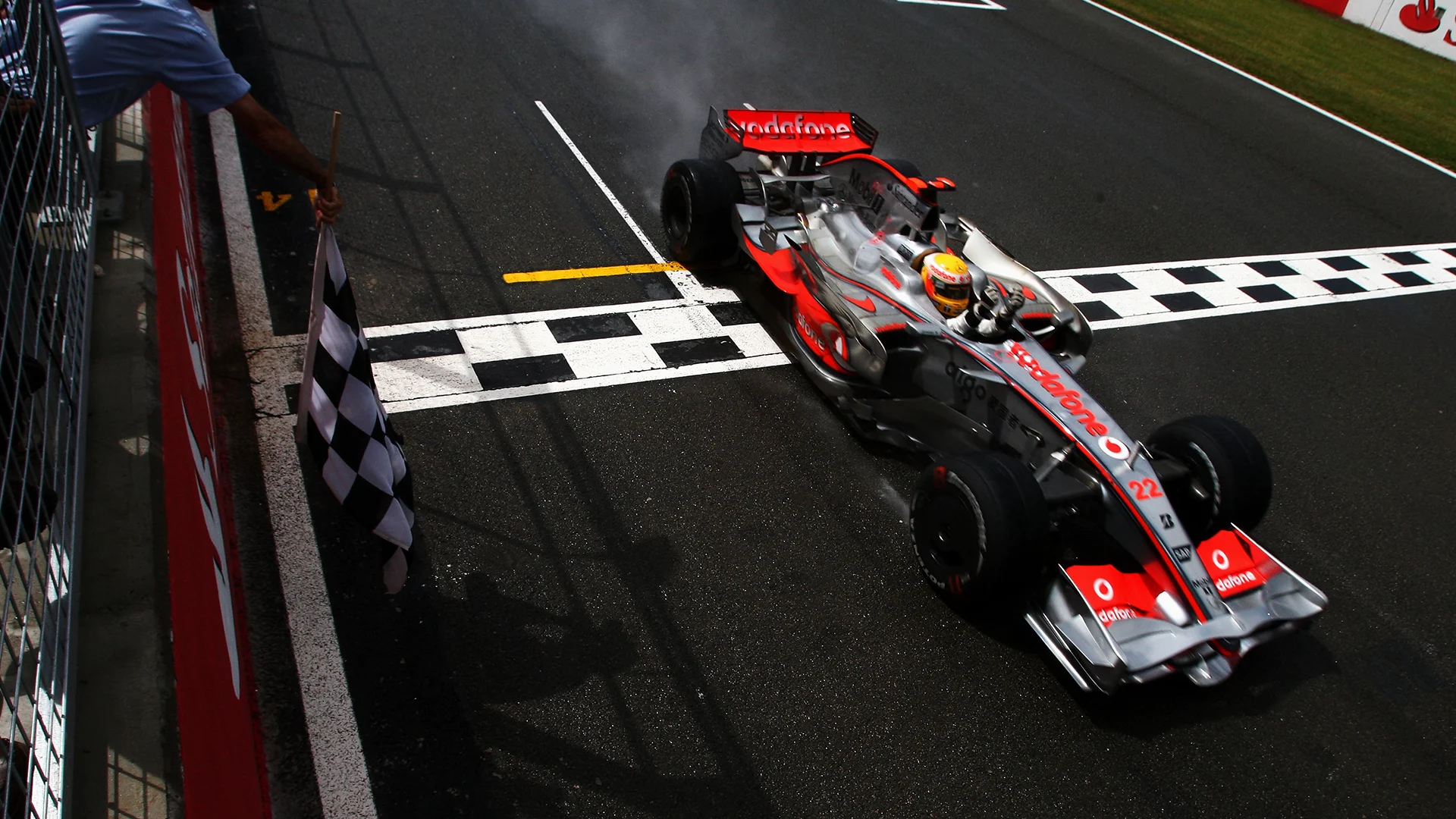
Lewis Hamilton – 2008
McLaren have had several stand-out liveries, but a fan favourite is still the chrome design that serves as a reminder of Hamilton's dramatic journey to becoming the youngest champion in F1 history at the time. After he lost out to Kimi Raikkonen the preceding year, the 23-year-old got a new team mate in Heikki Kovalainen to bring an end to the intra-team quarrel with Fernando Alonso.
The Briton refined his aggressive driving style from his rookie season and quickly demonstrated that he was a more complete and mature competitor, thriving in a newly united team environment. While his lead in the standings slipped from his grasp as he failed to score at the Canadian and French Grands Prix, he delivered one of his greatest performances at Silverstone and soared to victory with a wet weather masterclass, handing him the top spot which he fiercely defended until the finale.
All he needed to do was finish fifth or higher in Brazil to be crowned the first British World Champion since Damon Hill in 1996, and he got off to a strong start by qualifying fourth. Amid heavy rainfall, Hamilton stayed in the top five for 69 laps before running wide, allowing Sebastian Vettel to charge past and leave him in a frustrating sixth place heading onto the final lap.
What rival Felipe Massa, who was confidently leading his home race and looked well on his way to winning the title, didn’t anticipate was Toyota’s Timo Glock staying on slick tyres despite the rain. Struggling to stay on the circuit, he slowed down, giving Hamilton the perfect opportunity to overtake and reclaim a place in the top five to win the Championship by a single point.
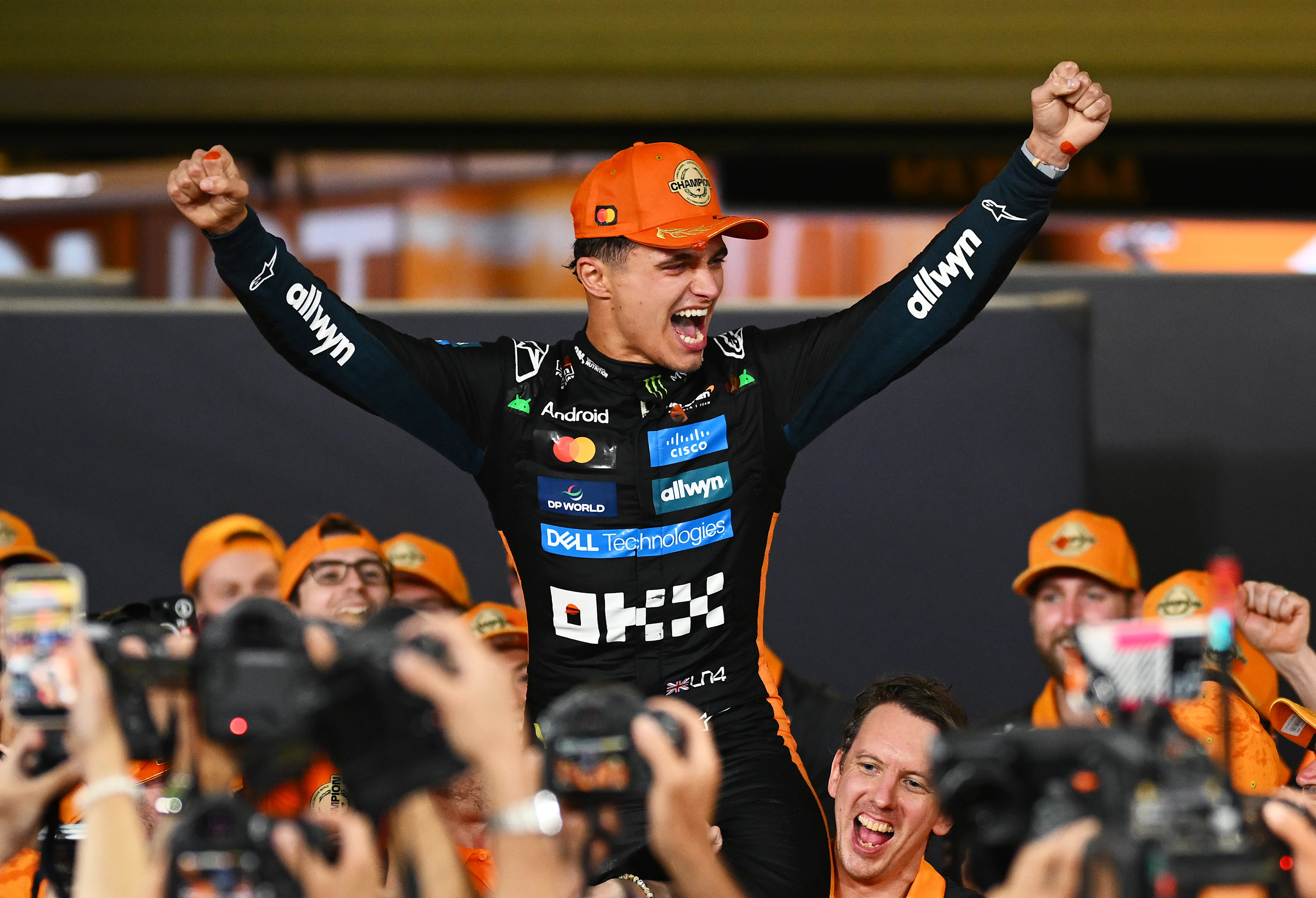
Lando Norris – 2025
Last but by no means least, Norris is the latest to be honoured with the title as a McLaren driver, and like those who came before him, it was an incredibly tight battle to get there. With seven wins to his name, he overcame his team mate Oscar Piastri’s commanding points lead and resisted a late charge from Max Verstappen to become the outfit’s first victor in 17 seasons.
McLaren repeated their long-standing habit of deciding the Championship in the final round, where Norris had to finish on the podium in order to outscore his Red Bull rival. Although Piastri passed him on the opening lap, the Briton maintained third place all the way to the chequered flag, earning just enough points to take his maiden crown as Verstappen fell two points short.
It remains to be seen whether Norris will replicate the feat in the near future, with McLaren first facing the challenge of capitalising on the upcoming regulation changes. Safe to say, they’re not done producing drivers of World Champion calibre quite yet.
.webp)
Next Up
/GettyImages-2294860261.webp)