2026 REGULATIONS EXPLAINED: All you need to know about F1's Advanced Sustainable Fuels
Formula 1 is introducing Advanced Sustainable Fuels in 2026 as part of the biggest shake up the sport has seen for more than a decade. It’s a huge technical change… but one where success will be measured by nobody noticing.
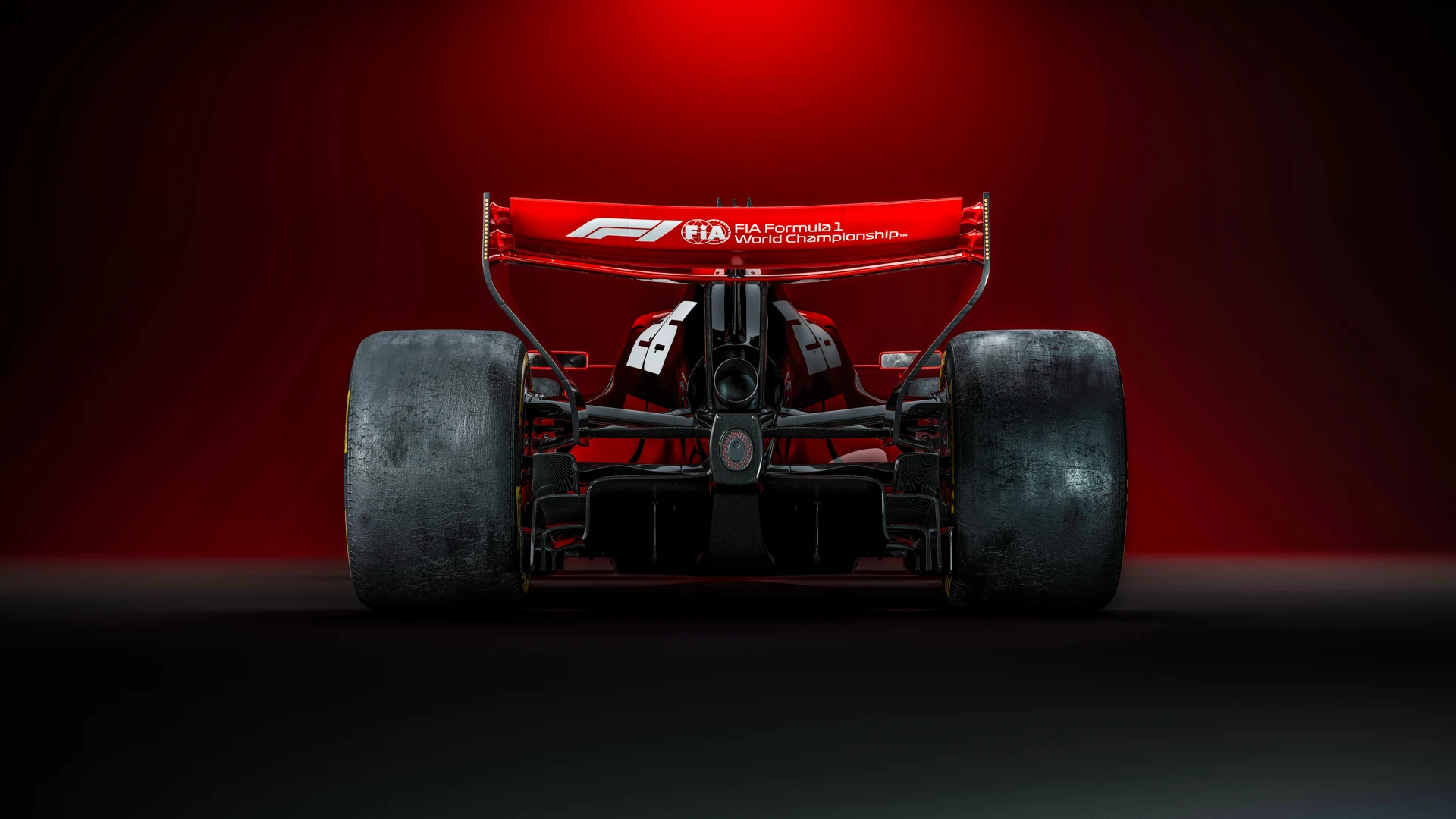
A great deal in Formula 1 is changing for 2026, with new power units, a new aerodynamic philosophy and new sporting regulations. The switch to Advanced Sustainable Fuels isn’t perhaps garnering the same volume of headlines, but it has the potential to be just as ground-breaking.
With redesigned power units scrapping for every last ounce of energy, F1’s fuel suppliers are going to be waging their own private battle over the next few years, competing to see who can push this new technology the furthest.
Why is F1 doing this now?
F1 has a commitment to becoming Net Zero by 2030. It’s a hugely ambitious goal, and takes in many measures, large and small, from powering the garages, paddock and broadcast centre with solar and used vegetable oil, to banning the use of single-use plastics.
Operating the cars with Advanced Sustainable Fuel is a small part of the whole – but one which has a tremendous resonance. Formula 1 sets the tone: it inspires and leads. Switching over to use sustainable fuels in F1 power units is a potent statement.
What is an Advanced Sustainable Fuel?
For the purposes of F1, it’s an e-fuel made from cutting-edge sources like carbon capture (taking CO2 directly from the air or industrial emissions), municipal waste and non-food biomass, or a mix of the above.
Chemists can cherry-pick the molecules they want for their blend – and it's independently certified to meet strict sustainability standards. Nothing in the fuel comes from crude oil.
Are these genuinely good for the planet?
Producing the fuels can be quite energy-intensive, though the more the processes can be scaled-up, the better the picture looks. The spec for F1 is that the process must be powered by renewables, rather than anything generated using fossil-fuelled electricity, and it is independently certified to meet strict sustainability standards.
For a fuel created from biomass, for example, it has to be produced using waste biomass rather than crops grown on arable land that would otherwise be used to grow food.
Does a sustainable fuel require a different sort of engine?
No. These are ‘drop-in’ fuels, meaning they’re designed to replace fossil fuel equivalents without requiring any adjustment to the engine. They would work in road cars, and we’ve also seen plenty of demonstrations on track. Sebastian Vettel and his ‘Race without Trace’ project demonstrated sustainable fuels by powering a Nigel Mansell Williams FW14B, an Ayrton Senna McLaren MP4/8, and his own Red Bull RB9.
Of course, every fuel raced in F1 is tailored for the specific era in which it is used, and designed for the engine in which it will race. With the previous generation of engines having been used for 12 years, fuel technology, while competitive, had matured to the point where it hasn’t been a huge differentiator.
With a new generation of power units being introduced in 2026, designing fuel for it would have been a vital part of the technical race, even without the switch away from fossil sources. Going down the sustainable route makes this an incredible challenge for the fuel manufacturers, and will absolutely have an impact on the competitive position.
Do sustainable fuels produce as much power as their fossil alternatives?
We really don’t know! In terms of bang-for-buck, fossil fuels are exceptionally calorific, and it would be a big ask for the sustainable alternatives to have that level of energy density from day one.
What we are expecting is something very close to the fossil fuel level of performance, that develops rapidly over the next few years. It’s going to be impossible to really know, given the blends will be different this year (F1 teams have their own fuel suppliers). Plus, there's the uprated hybrid system providing almost 50 per cent of the power from recovered electrical energy.
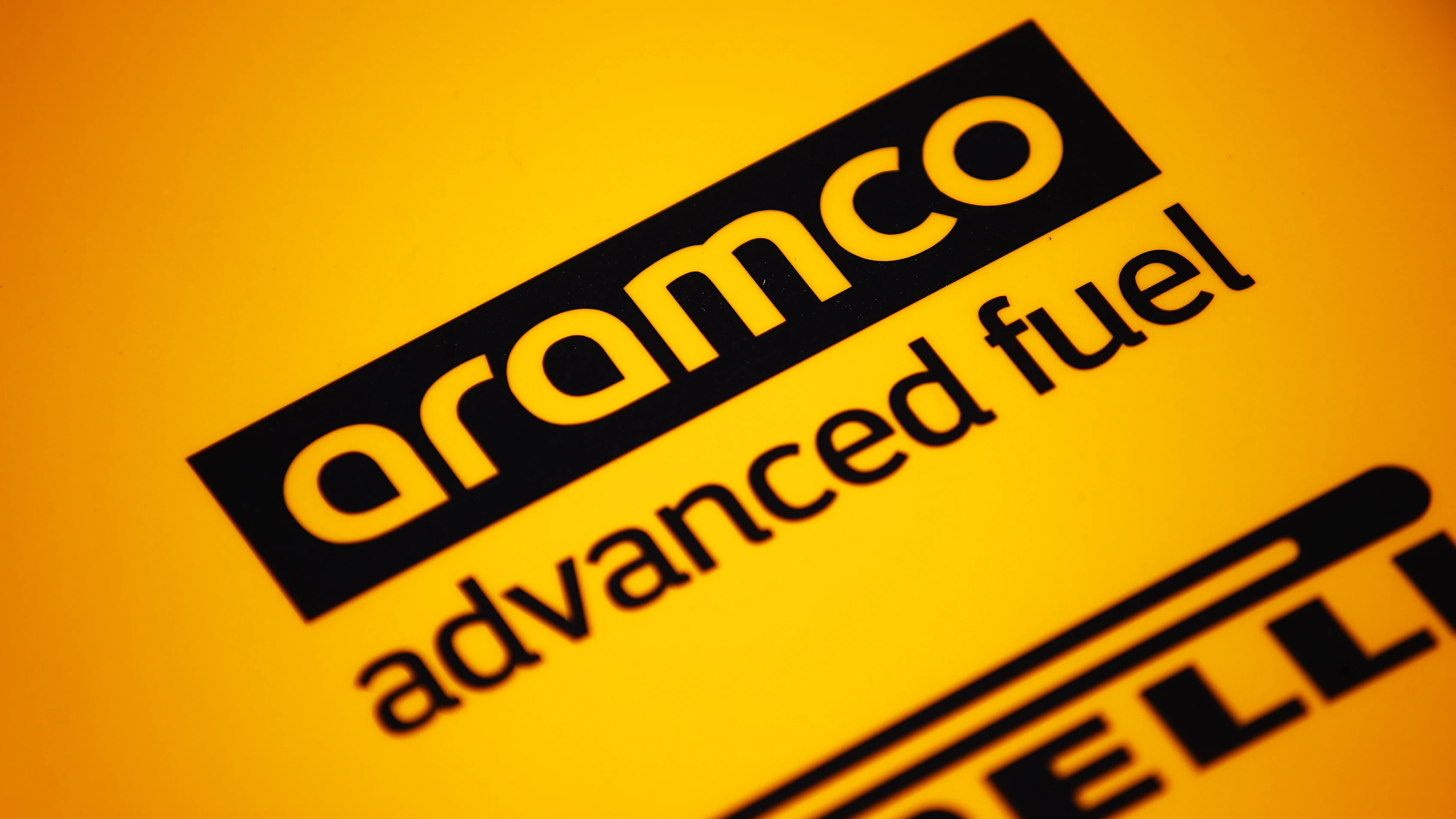
Of course, F1 isn’t going into this entirely blind. Aramco produced the sustainable fuel used in Formula 2 and Formula 3 last year, and that had no adverse impact on performance.
Hasn’t F1 been using a sustainable fuel already too?
Yes – but not to this extent. In the last few years, F1 has been using E10 blends – i.e. fuels mixed with a 10 per cent Ethanol component. That’s provided some useful learning, but this is an altogether bigger step.
Beyond the track, however, yes, lots of the background infrastructure in F1 already uses a sustainable fuel source. Some teams use e-fuels and biofuels for their generators and forklifts, and logistics partner DHL use biofuel in their trucks.
At the Austrian Grand Prix we’ve even seen the whole paddock, pit-building and Broadcast Centre powered by a combination of solar panels and hydrotreated vegetable oil (HVO), delivering an estimated 2.5MWh, in a very successful trial.
There’s been some talk of fuel use being measured differently this year…
It is. Since 2014, F1 cars have been limited in the amount of fuel they can use, both in the fuel flow at any given moment in the race but also across the race as a whole.
That still exists, but for this year, the emphasis moves off the quantity of fuel used (measured in kilograms per hour) and onto the energy density of that fuel (measured in megajoules per hour), with a hard limit of 3000MJ/h.
The maths behind this is complex, but the car’s electronic brain will do the necessary calculations, based on fuel samples examined and certified in advance by an independent body. As has been the case for a while, the random fuel samples taken at the track by the scrutineers will be examined to ensure the ‘fingerprint’ of live samples matches the reference on file.
Is the sustainable fuel technology something we’re going to see transferred to the road?
This is certainly the intention. For over 30 years, F1 had insisted race cars run on something suitable for the road.
It may be bespoke, and tailored for the demands of a race car, but it contains the same ingredients and has a similar octane rating to what you would find on the garage forecourt (i.e. no exotic ‘rocket fuels’).
The new fuels are the same: the chemistry done in the lab for the F1 projects, whether that’s distillation profiles, detergents or octane numbers, will have direct relevance to the road cars and freight fleets of the future.
Next Up
Related Articles
/Piastri%20post-race%20Madrid.webp) Piastri assesses his ‘painful’ Spanish GP in Madrid
Piastri assesses his ‘painful’ Spanish GP in Madrid/16x9%20single%20image%20-%202026-09-13T175722.153.webp) 'I’m not in the fight for the drivers’ title' – Russell
'I’m not in the fight for the drivers’ title' – Russell Who impressed our Power Rankings judges in Madrid?
 Stella outlines the logic behind Norris’ ‘unlucky’ stop
/Monday%20Morning%20Debrief%20header%20template%20%20(2).webp) UnlockedWas there any way for Norris to win in Madrid after the VSC?
UnlockedWas there any way for Norris to win in Madrid after the VSC? Tsunoda reviews Madrid outing after sustaining 'big damage'