What’s gone into Aston Martin’s Hungary upgrade package – and the ‘most important’ goal they’ve set for it
F1.com highlights what Aston Martin have been working on behind the scenes amid their difficult start to the 2026 season, with car updates finally arriving.

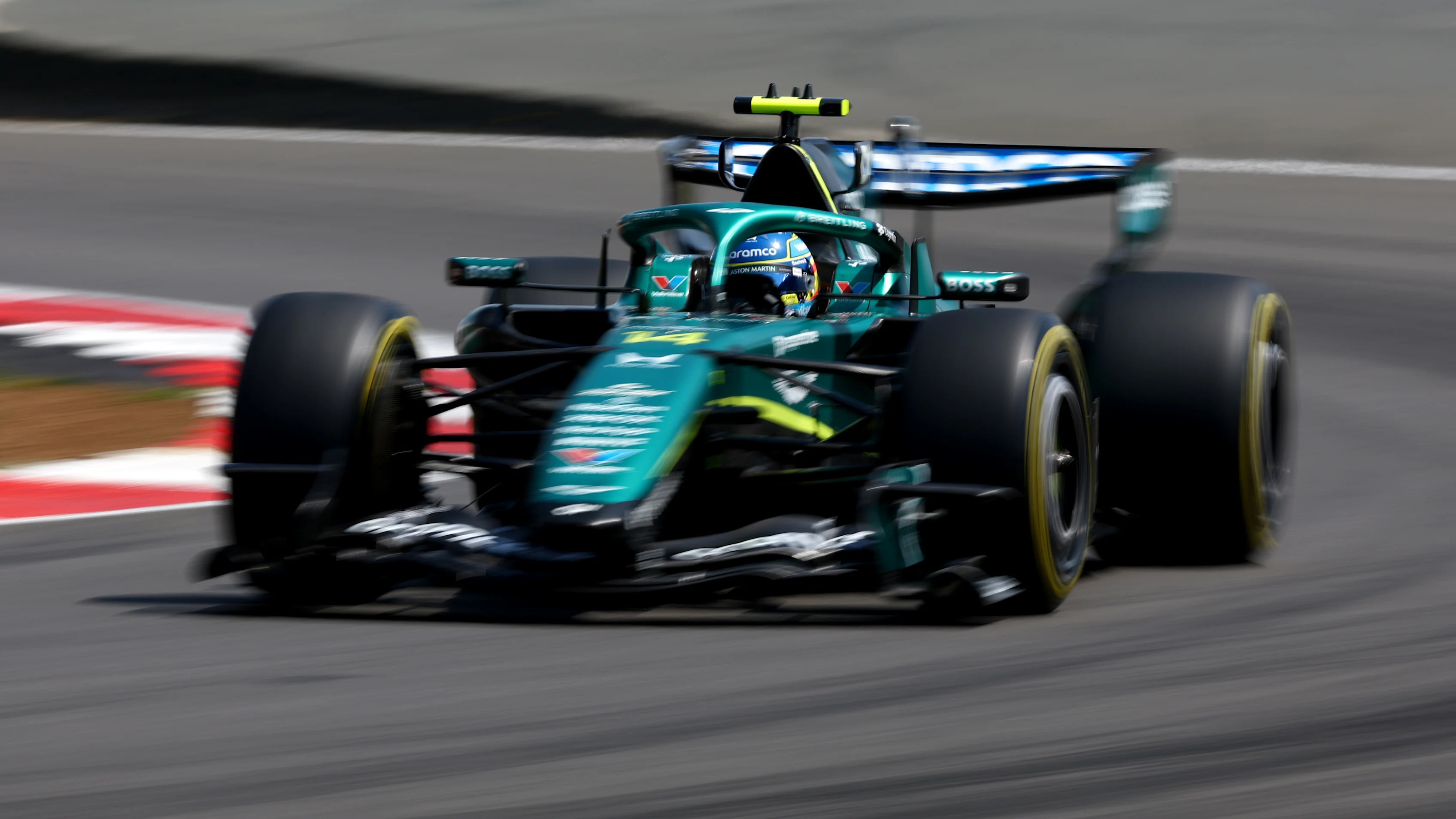
Plenty of eyes will be on Aston Martin this weekend as the squad roll out their much-anticipated chassis upgrade package at the Hungarian Grand Prix – an initial attempt to move on from what they have described as “the tough times”.
How exactly did Aston Martin end up in this situation? How did Adrian Newey’s technical team respond behind the scenes? What developments are due to arrive at the Hungaroring? And what can fans expect from them? F1.com provides the lowdown…
What has happened to Aston Martin?
Heading into the 2026 season, there was plenty of excitement around Aston Martin’s chances of jumping from the midfield towards the front of the pack – thanks in large part to the arrival of F1 design guru Newey early last year.
When the AMR26 broke cover at the Barcelona Shakedown in January, albeit a few days later than planned, that hype continued, with Mercedes driver George Russell describing it as “pretty spectacular” and “probably the most standout in terms of the car design”.
.webp)
“But it’s not a competition of how sexy it is,” added Russell. “It’s a competition of how fast it goes around the track.”
Unfortunately for Aston Martin, those looks did not translate to the timesheets, with both the chassis and power unit – from new partners Honda – falling well below expectations.
At the season opener in Australia, the team found themselves at the back of the grid in Qualifying, ahead of only newcomers Cadillac, while chronic vibrations limited the number of laps Fernando Alonso and Lance Stroll could complete on race day.
That theme continued through the early rounds and, while Honda worked hard to introduce quick fixes for the vibrations being experienced behind the wheel, the significant performance deficit remained.
Indeed, last weekend at Spa-Francorchamps, the longest track on the calendar that exposes chassis and engine performance, Alonso and Stroll were cut adrift from the pack by some two seconds, and were more than four seconds off the Q1 benchmark.
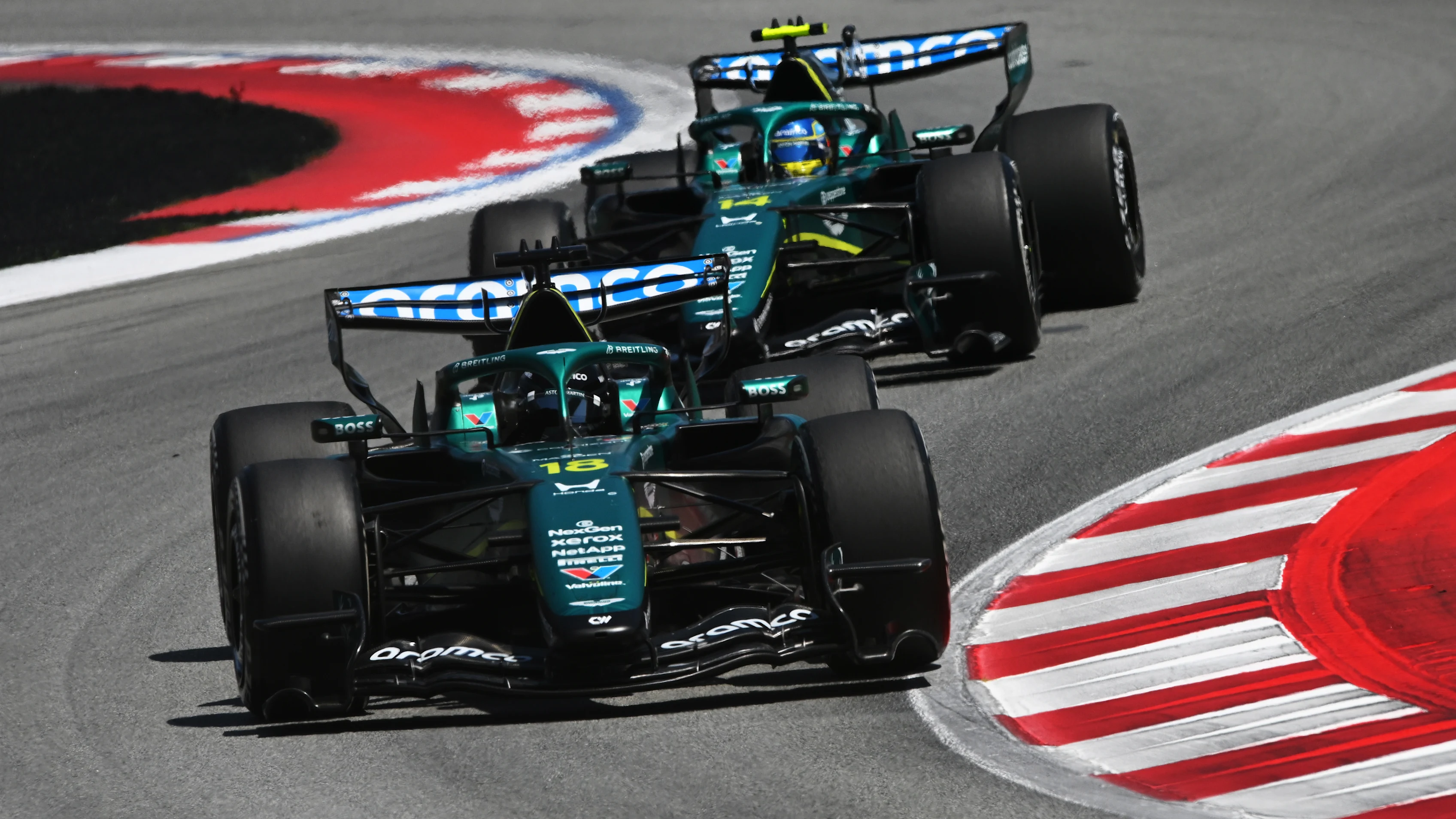
In a recent interview for the official Aston Martin F1 website, Newey, whose cars have won 14 Drivers’, 12 Constructors’ titles and 223 Grands Prix over the years, gave the clearest indication yet as to where things went wrong.
“Extremely challenging,” he said, summing up the season so far. “On both the chassis side and the power unit side, we’ve been on the back foot from the start.
“In hindsight, we probably put too much expectation on ourselves – and of course, you must never forget the quality of the opposition you’re up against across the grid.
“We didn’t start serious work on the ‘26 car until mid-March 2025 and didn’t get a model into the wind tunnel until mid-April. That left us several months behind our rivals – and that’s a huge gap to close.”
Newey also noted how Aston Martin were “relying on tools and processes that had been patched and bodged for years”, some going back to the early days of the previous Jordan F1 operation, founded in the early-1990s.
“We’ve taken this difficult spell as an opportunity to overhaul how we work,” he emphasised.
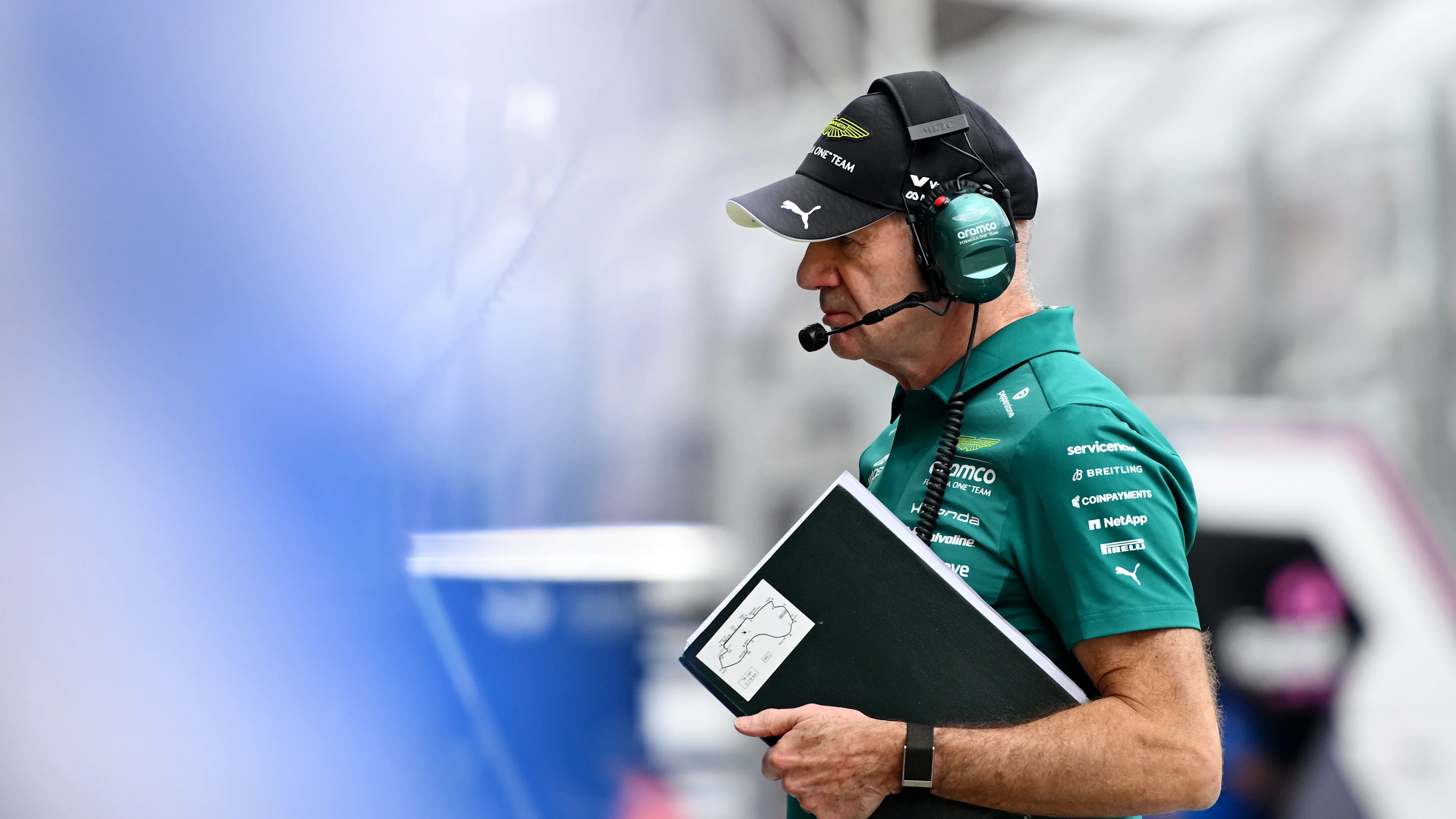
Why wait for one big upgrade package?
Amid their early-season troubles, the obvious question was when Aston Martin and Honda would introduce updates to try and turn their campaign around.
The answer soon followed: rather than incremental steps and steady progress, Aston Martin targeted the Hungarian Grand Prix for sweeping car changes, with Honda set to follow on the power unit side at the Dutch Grand Prix.
“It was a painful decision,” Newey admitted, given the 10 weekends Aston Martin have endured so far in 2026.
“While others have been adding performance, we’ve effectively been standing still in relative terms, so each weekend can feel more painful than the last. But we believe it’s the right decision – the right investment for our future, if you like.
“Our partners understand that this is a necessary trying period that we, in truth, probably need to go through to come out stronger, with a decent step forward in the second half of this season and a much bigger one for next year.”
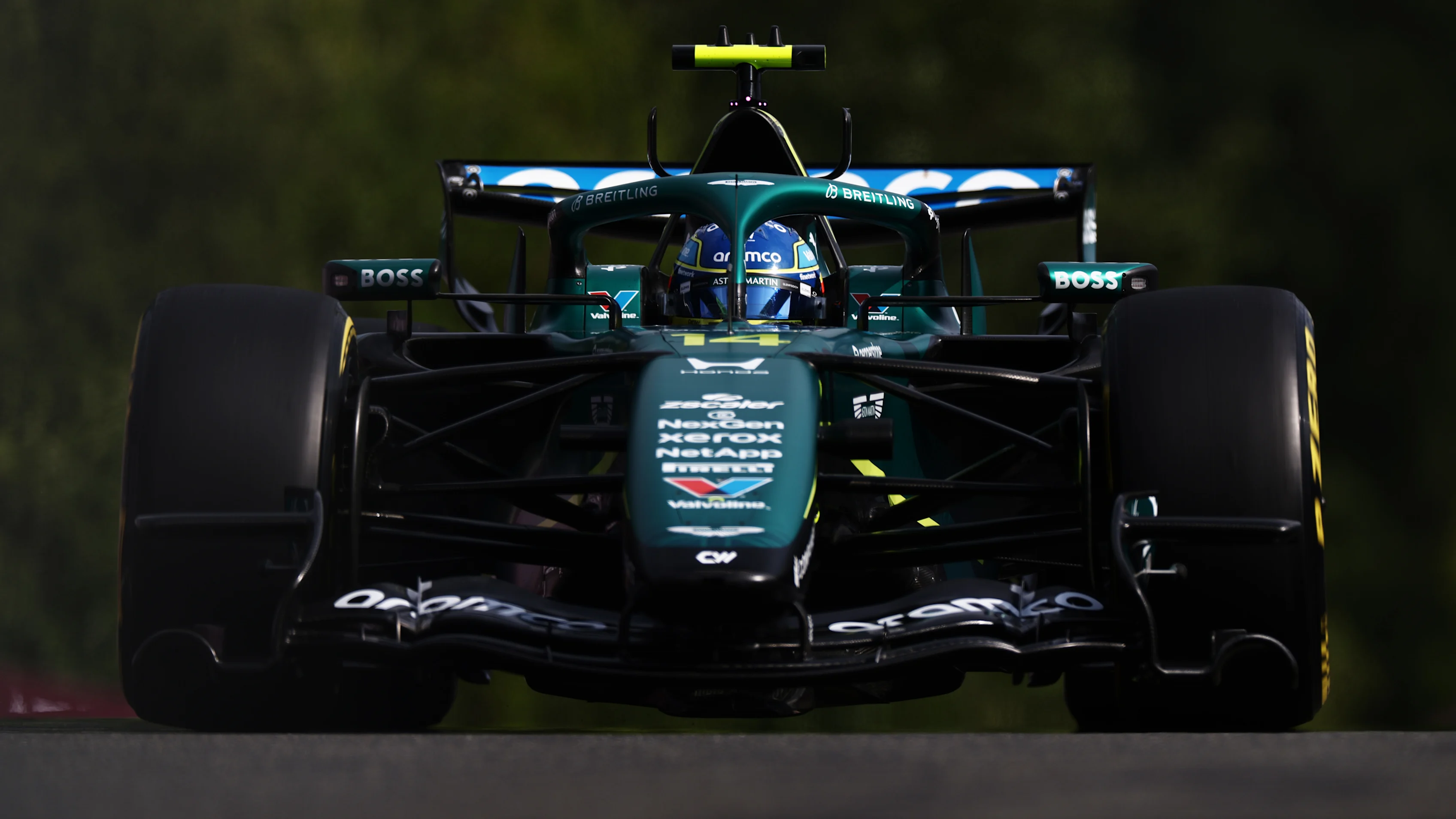
So, just how different will Aston Martin’s car look in Hungary?
"The main structural elements remain the same – the chassis and gearbox architecture don’t fundamentally change – but we’ve taken weight out of both, which required re-homologating and crash testing the forward chassis,” added Newey.
“The front suspension is unchanged. The rear suspension is slightly revised. We’ve developed a new nose and substantially revised aerodynamic surfaces.
“So, while the core structure is similar, it’s a big aerodynamic package coupled with significant weight reduction. The target is to get very close to the weight limit.
“We’re predicting a large step, but I’m reluctant to put specific numbers out there. We’ll have to see when the car gets on track.”
What are Aston Martin’s expectations?
Nonetheless, the team do have a clear goal with their upgrades.
Given that Alonso and Stroll have so far been limited to early-race scraps with rival cars, before settling into an intra-team battle, Chief Trackside Officer Mike Krack simply wants to see Aston Martin compete again.
“For us, the most important is that we go back racing, because we have not over the last events – it was very difficult to keep up with the midfield,” said Krack. “Whatever it’s going to bring, I think going racing is most important for everyone.
“I think the period that we had with no upgrades for very long is now over, so it looks good for the future, and we are just all looking forward to Budapest and seeing what we have.
“As [Adrian] was saying, the main things are obviously aerodynamic [changes] and weight [reduction]. To achieve that you have to do a lot of things, and everything has been achieved that we wanted. We’re counting the days.”
I think going racing is most important for everyone.
That chassis upgrade will be added to just under a month later when Honda bring a new engine to the Netherlands – the Japanese manufacturer now working much more cohesively with Aston Martin after some early frustrations.
“We had a tough moment in winter testing, but I’d say we built up our relationship through the tough moment, and we built up the fundamentals to work together,” said Honda’s Trackside General Manager and Chief Engineer, Shintaro Orihara. “Every tough moment, we can learn from that.”
Krack added: “It’s easy to point the finger, but we sat together and we said, ‘We are in this together. We need to work hard to get out of it together’.
“We knew that there would be a lot of difficult moments. We had more than one meeting where we discussed this, and I think it improved the relationship big time – in the garage, in the engineering office, and also in the whole technical collaboration between [Aston Martin’s factory in] Silverstone and [Honda’s engine headquarters in] Sakura.
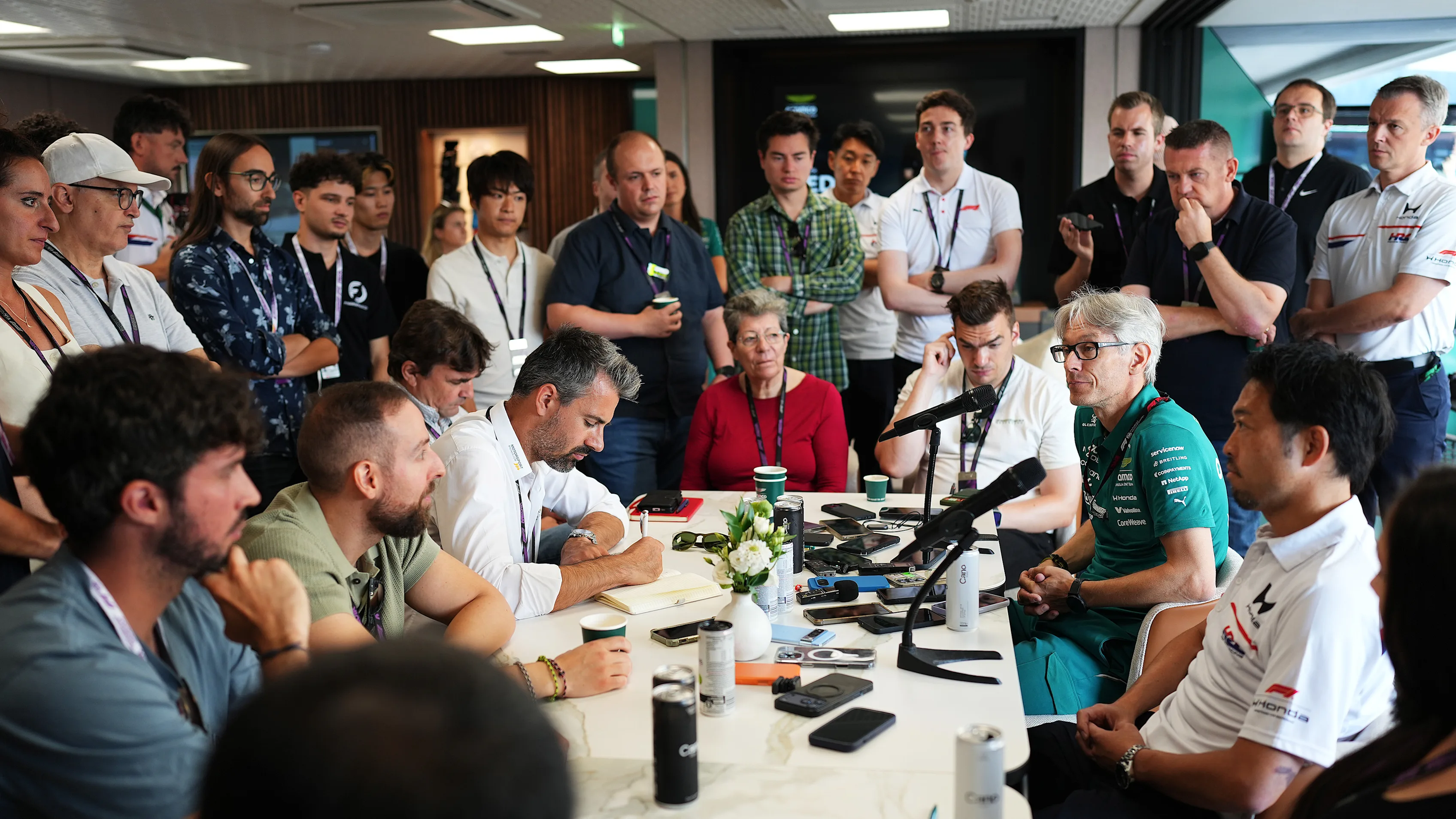
“Believe me, it was tough, but it is something that you have to go through, and then you improve from there.
“I think we need to be grown up, we need be professional, in such situations, and we need to get ourselves out of it. If we manage to be in the game again very soon, then I think we can maybe sit together, look back at these last six months, and take all the positives that we learned from it.”
The extra driving force at Aston Martin’s factory
In Belgium last time out, there were three drivers in action for Aston Martin over the weekend as reserve Jak Crawford – runner-up in F2 last season – made his latest FP1 outing of 2026 after appearances in Japan and Austria.
Alongside Alonso and Stroll, the 21-year-old American has been playing a crucial role in Aston Martin’s development push, complementing his real-life runs with hours and hours in the simulator, where he has already sampled the upgraded AMR26.
“I think this will be the last ‘not good’ race we’ll have – I think it will be one of the worst,” Crawford told F1.com at Spa. “The circuit is very tough on the power unit and everything, so we expected to struggle a lot here, plus having this car that’s now quite old.
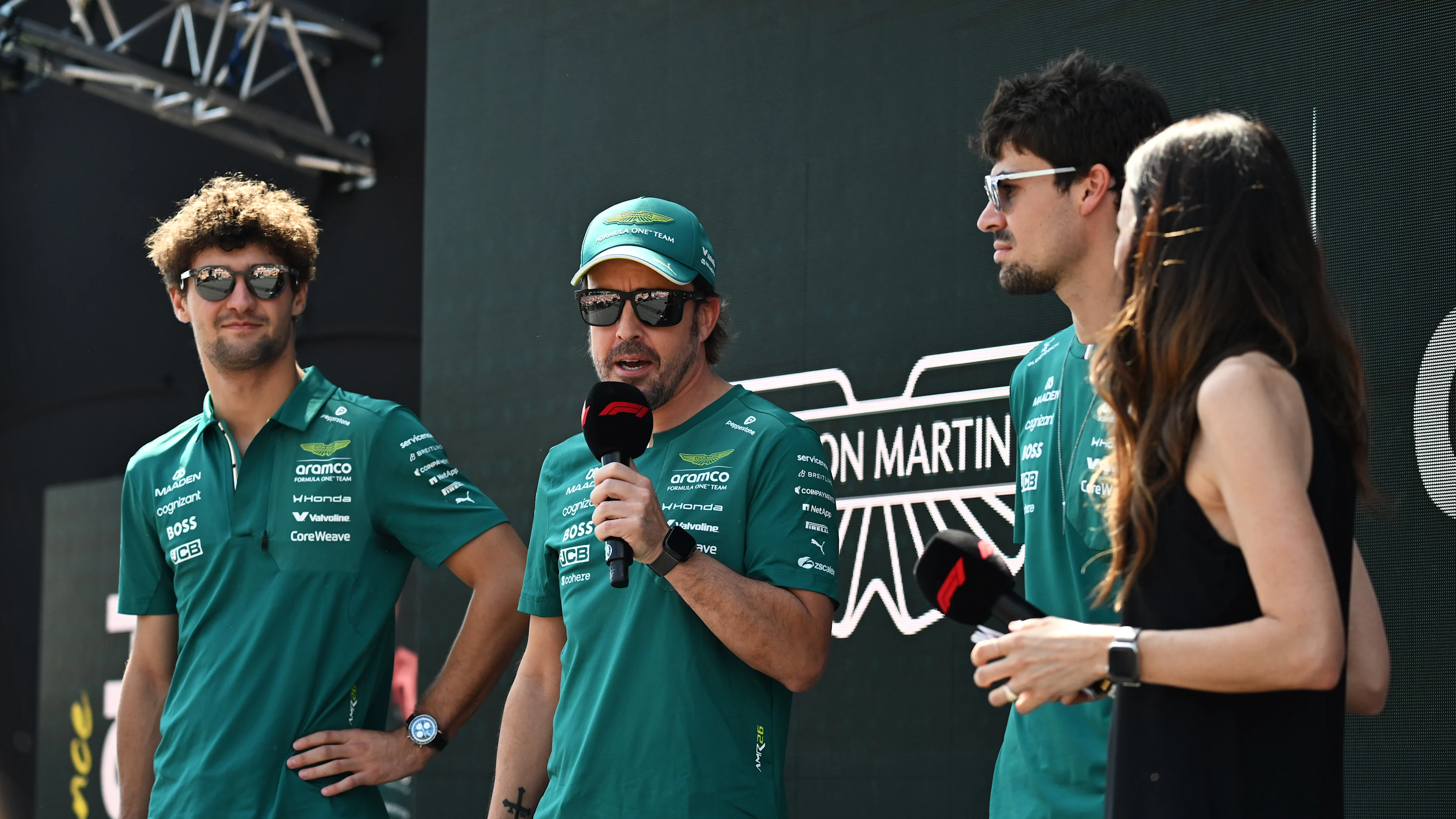
“But looking forward, for sure, everyone is excited for the new car. We’re not expecting to blow everyone away, but I think it’s a step in the right direction of what’s to come for the next couple of years.”
He continued: “Of course, we’ve been preparing for these new upgrades – we have a model in the sim, even though we haven’t driven on the track. It’s just an estimation that we try. When you have it [for real], you have a better idea of where your car stands and you’re able to correlate that into the simulator.
“I’m taking a lot of good information from Fernando, from Lance, from the engineers. I’m super fortunate to be able to work with all these engineers that trust me like one of the race drivers, I think, which is great. When I run in the sim, they trust what I say and trust what I’m doing.
“My feedback goes to everyone in the factory. They’re all trying to make the cars as good as possible, as driveable as possible, for the next race, and everyone, I’m sure, has been listening to every comment very closely.”
Only time will tell if Aston Martin and Honda’s upgrades deliver significant steps forward over the next couple of events, but there is no doubting the effort that has gone in across the board to turn the situation around and put those self-described “tough times” behind them.
.webp)
Next Up
Related Articles
 BettingFinal predictions and latest Spanish Grand Prix odds
 F3: Kato and Taponen take pole in Madrid
 Antonelli rues pole slipping away in ‘intense’ Qualifying
 F2: Miyata claims maiden victory in Madrid Sprint Race
/GettyImages-2294880857.webp) Norris denies Antonelli pole position for Spanish GP
Norris denies Antonelli pole position for Spanish GP Madring Qualifying 'going to be an exciting one' – Leclerc