THE RISK PERSPECTIVE: How F1 drivers, engineers and strategists tackle the Baku City Circuit
In Formula 1, performance is decided in moments where conditions change instantly, and decisions carry consequence. The difference isn’t just speed – it’s perspective.
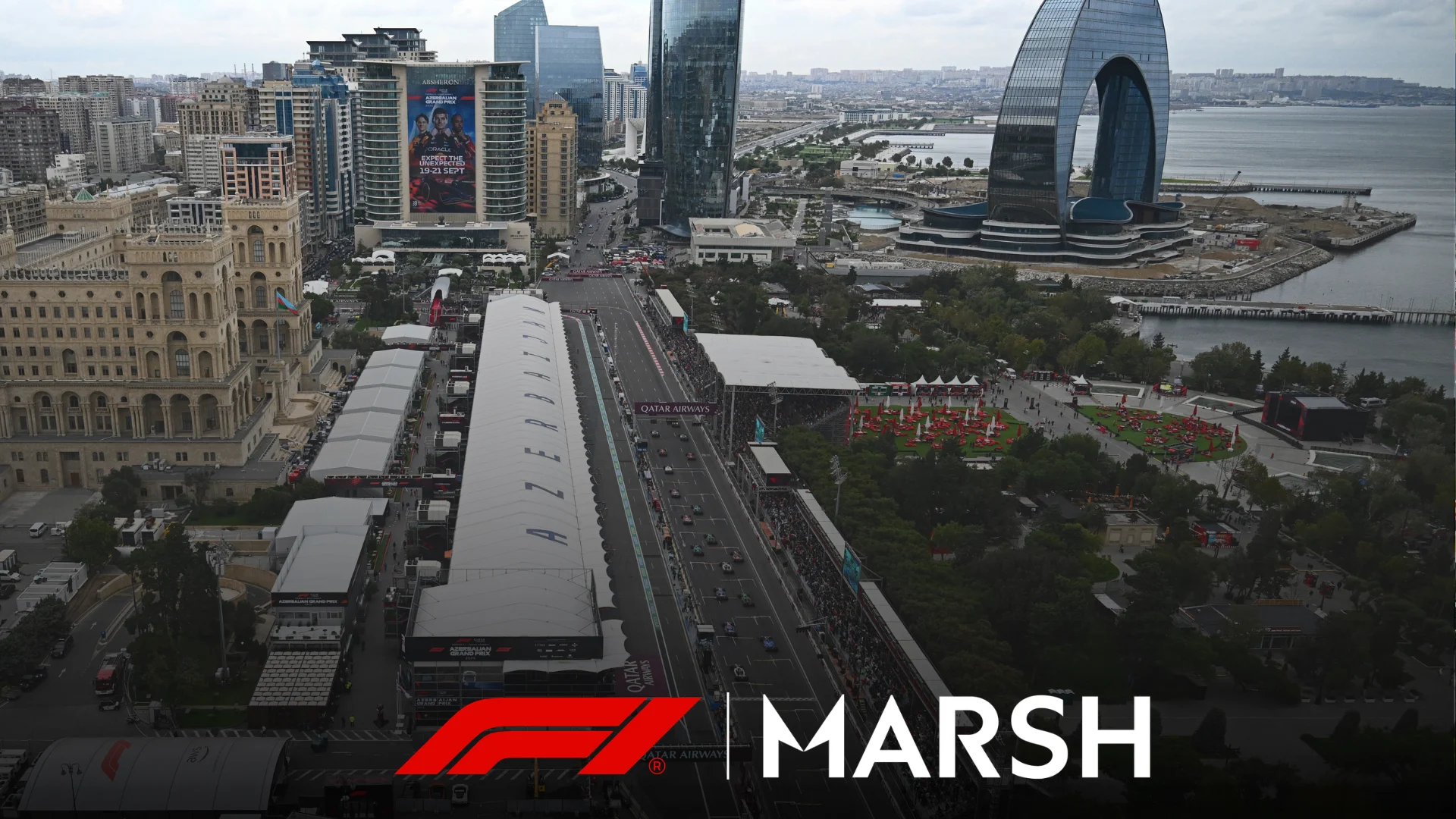
Formula 1 first came to Baku a decade ago, eyes wide at the prospect of the mammoth main straight, the narrows of Turn 8, and the novelty of racing below sea-level.
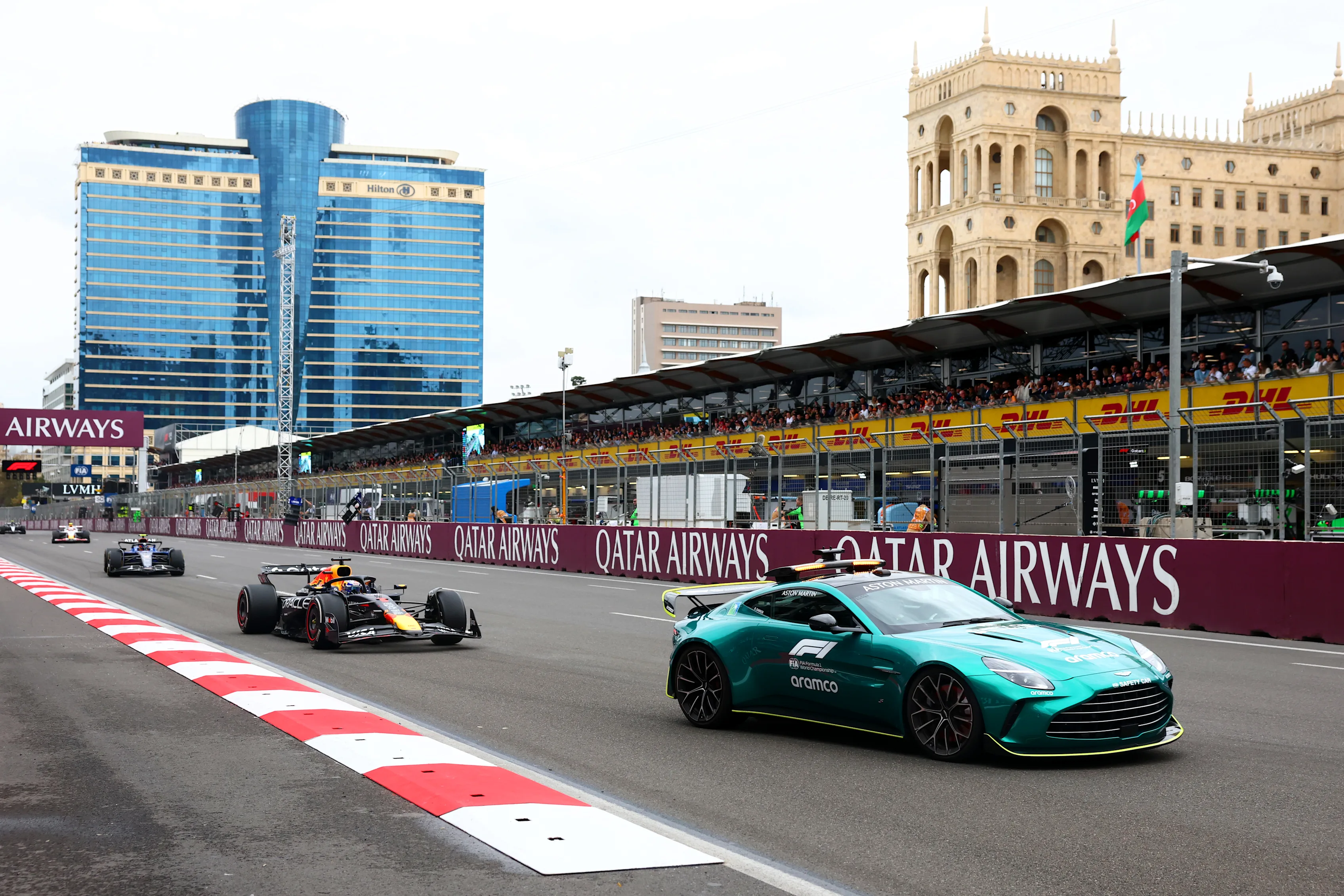
It’s a great credit to the track that these aren’t the things that people look for anymore. Baku is all about frantic Qualifying action, the caprices of Safety Cars, and bravery on the brakes into the first corner.
The Azerbaijan Grand Prix set a new standard: hybridising the traditional low-speed street race with the sort of low downforce, high-speed, squirrelly cars we were accustomed to seeing at Monza or Hockenheim. It’s a format that’s been taken on by Miami and Las Vegas – but Baku got there first.
So how will the teams, drivers and strategists approach the weekend? It’s time to take a look in The Risk Perspective, in partnership with Marsh, Formula 1's Official Risk Partner and Official Insurance Brokering Partner.
The Ideal Set-Up
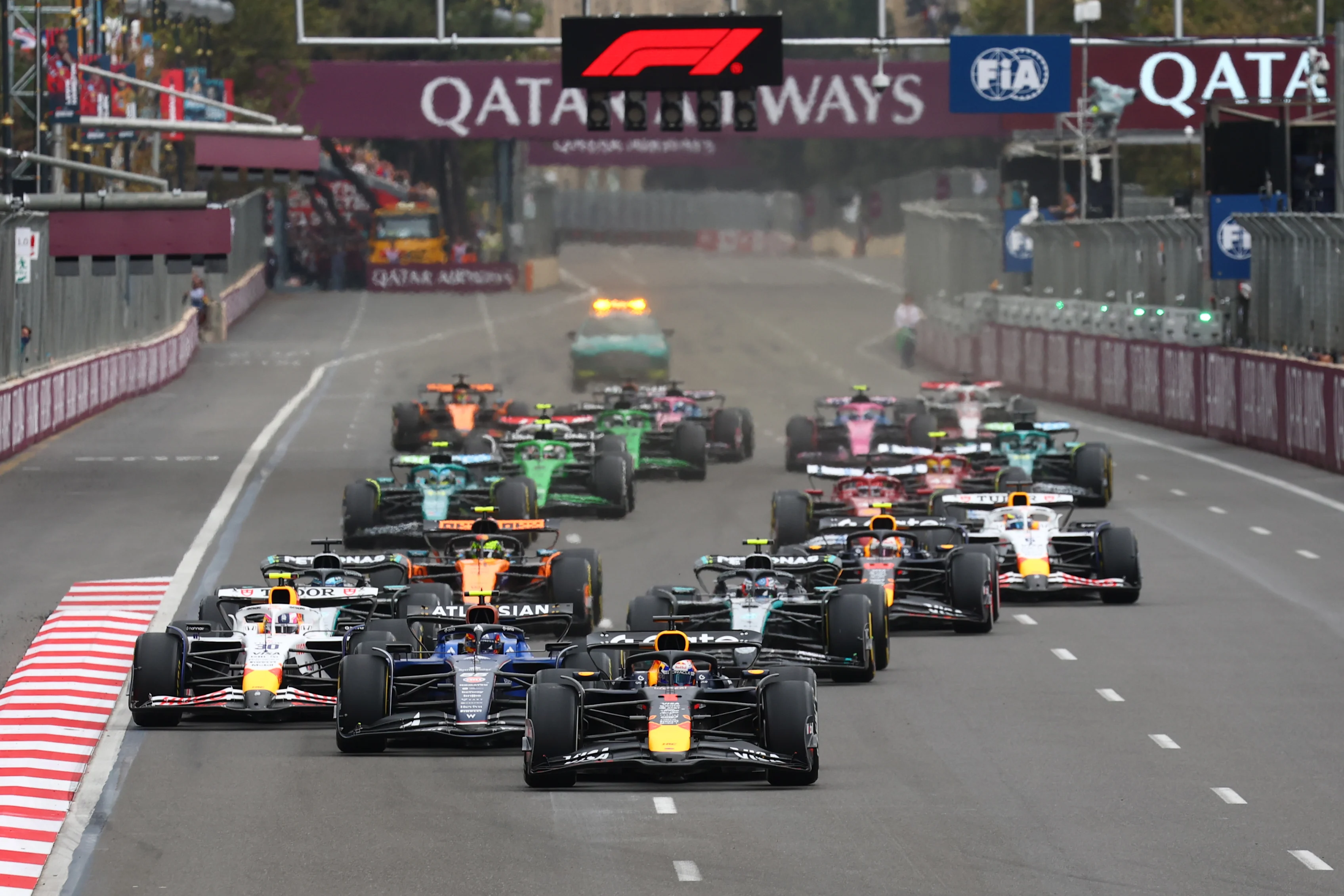
The main straight in Baku tends to draw the eye… and that can be misleading. It isn’t an ultra-low downforce blast – it has more nuance than that, with choices to make and risks to take.
The demands of Qualifying and racing are quite different around here (more on that below) which means the teams have a real decision to make on downforce level. But there are other elements at work around the set-up at the Azerbaijan Grand Prix.
Braking performance oscillates between extremes. The long straight means the brakes will be cold coming into the heavy braking zone of Turn 1. At other circuits, that would mean reducing airflow to the brakes – but the rest of the lap is at the other end of the scale, with a lot of braking points in rapid succession, demanding plenty of cooling – and more so if stuck in traffic.
There isn’t really a solution to either of these issues, race engineers just have to pick the compromise they feel does the least harm.
The Key Section: Sector 2
Baku, long straight notwithstanding, is a difficult place to overtake. It remains to be seen quite how this year’s cars deal with that, but anyone saving Boost to use out of the final corner is going to be a tricky proposition to pass.
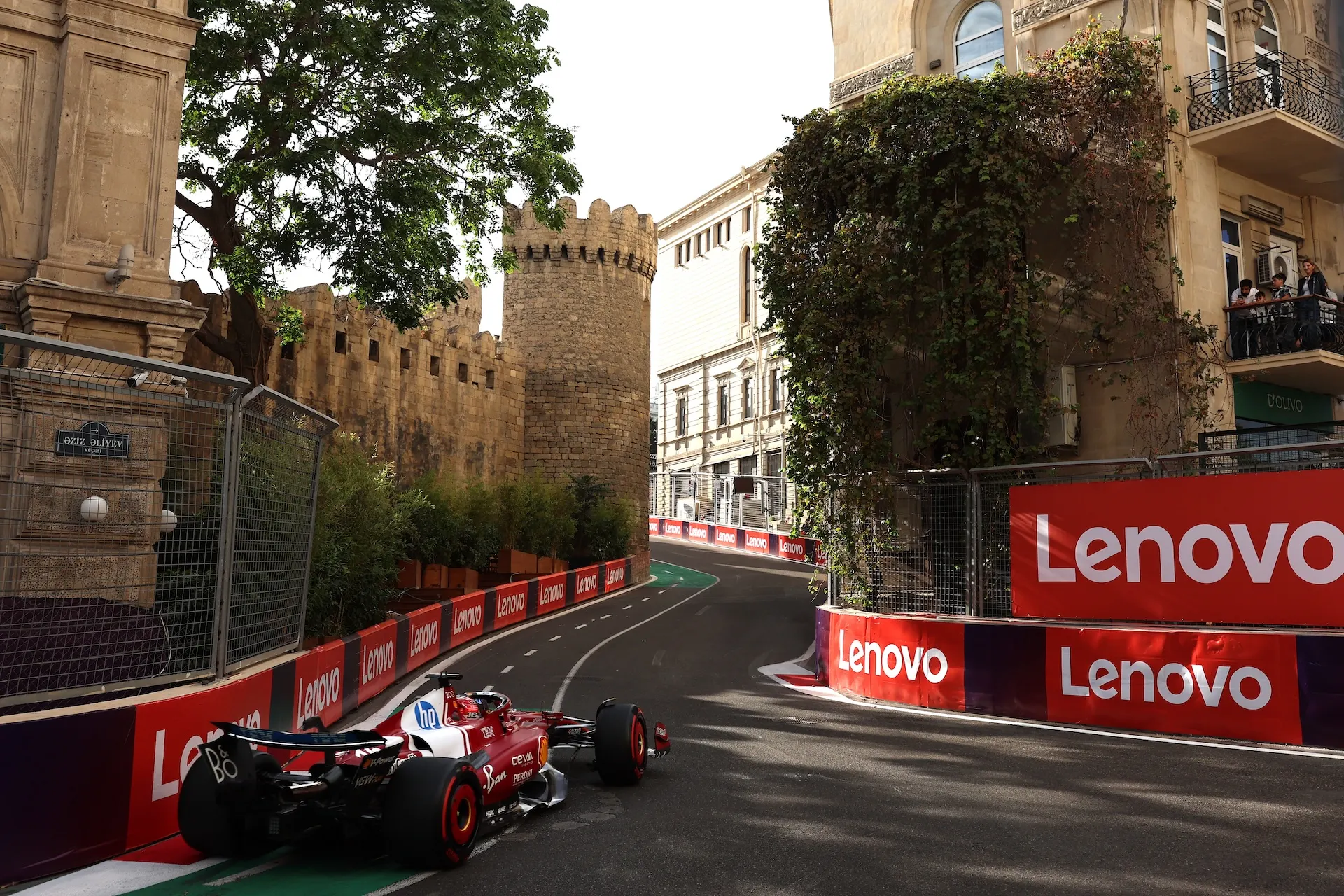
This gives the circuit a strong Qualifying-bias, and teams will need to give some thought to the twisting, lower-speed sector two around the Citadel.
This is where there is time to be gained or lost… but the conundrum here is that setting-up to be quick here in Qualifying and gain track position requires more downforce… and that is going to make the car vulnerable on the long straights during the Grand Prix.
Active aero makes this less of a binary choice… but there is still a choice to make.
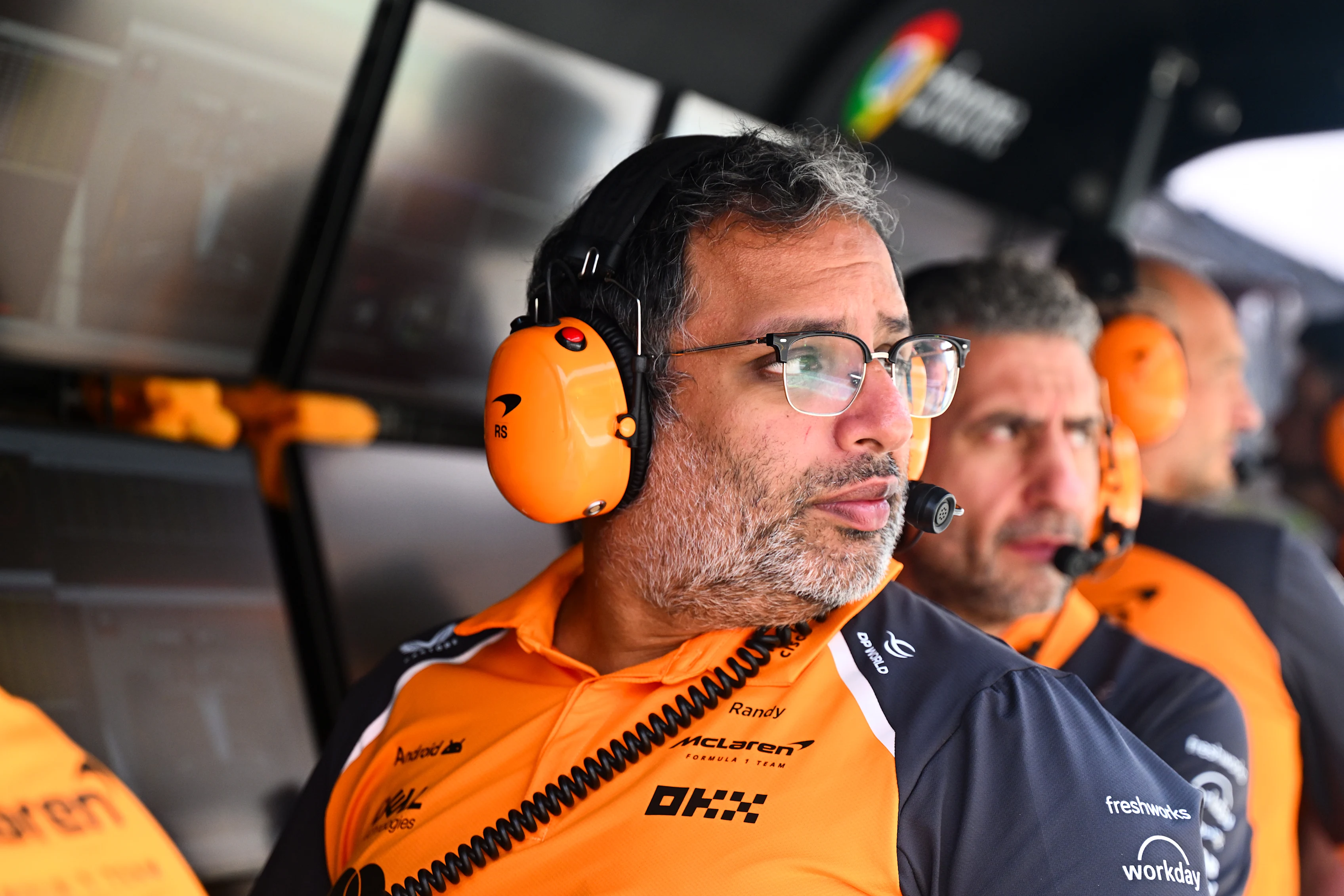
The Strategists Perspective: Randy Singh, Racing Director, McLaren
“Historically, Baku has been a strongly Qualifying-biased circuit as overtaking has tended to be challenging here, however, Oscar [Piastri]’s overtake for our first win in the 2024 Azerbaijan Grand Prix proved that it can be done.
“Looking ahead to the event this year, we've generally seen the number of overtakes increase across the 2026 season compared to 2025. This, combined with the stronger slipstream effect along Baku's long main straight, could make for more overtaking opportunities this weekend and push the event to be slightly less Qualifying-biased than before.
“However, it is likely that the new power units and deployment will make overtaking harder – all else being equal – so we’ll have to assess the overall impact once we get to Baku.
“In Qualifying, the increased frequency of red and yellow flags places a greater importance on banking a good lap time earlier in the session. This makes it more appealing to leave the garage earlier, despite potentially losing out on some track improvement.
“Those flags can also have an impact on the race, as it tends to push more cars towards extending on long first stints with the hope of capitalising on race interventions.
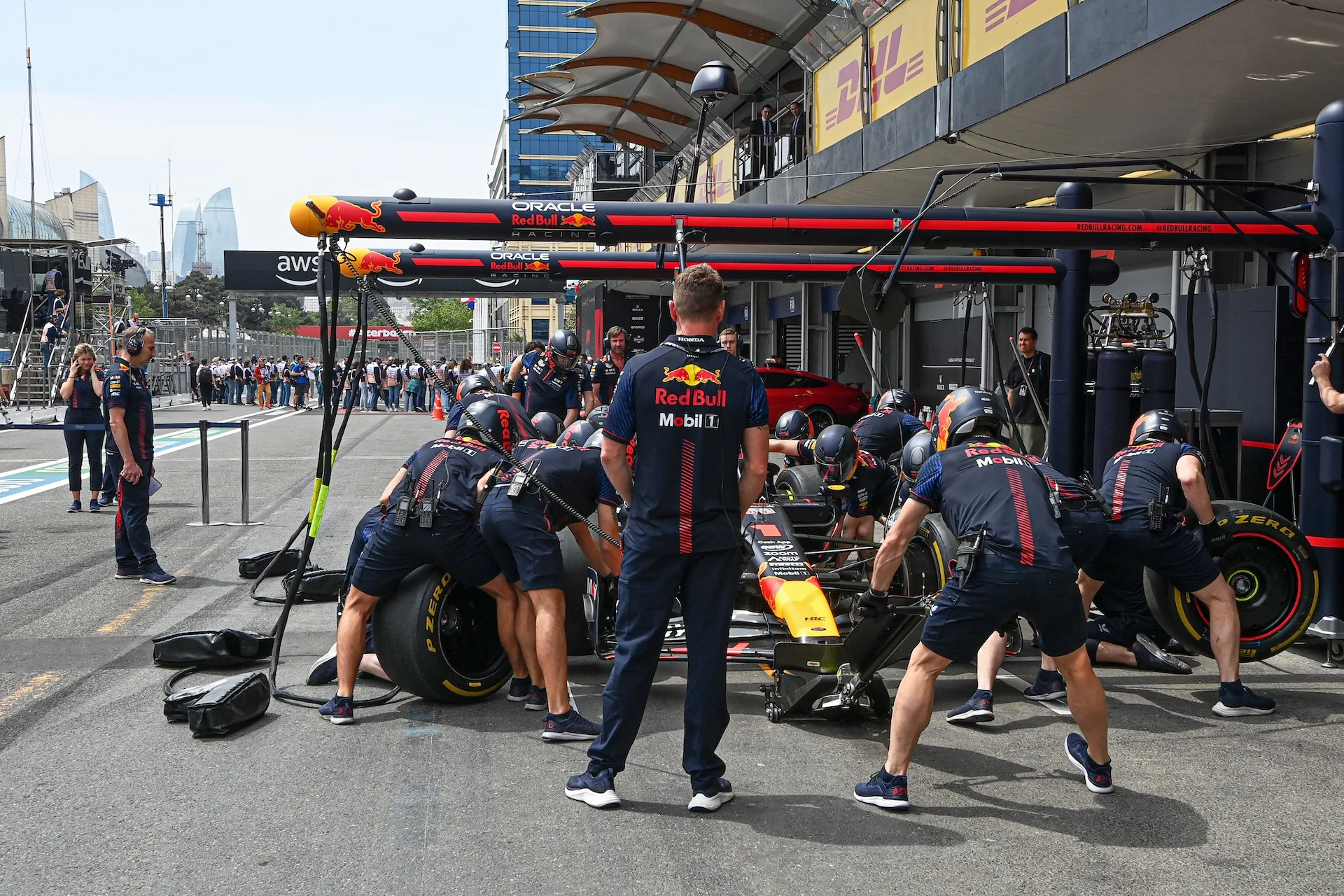
“While one-stop races can sound simpler to execute, they can often increase pressure in the lead-up to the first pit stop. With a wide stop window, there can be several opportunities to pit, sometimes making the decision more complex.
Once the pit stop has been completed, we then have fewer strategic levers available to gain positions, so the outcome of the race tends to be heavily impacted by getting this timing right.”
The Strategic Masterstroke
The Azerbaijan Grand Prix, if run unimpeded, is going to be a one-stop race, and, 2026 unknowns notwithstanding, there’s a tendency to assume those can be a little… vanilla. But it doesn’t necessarily have to be the case, and Lando Norris’s reverse strategy in 2024 demonstrates why.
Lando qualified 16th. A combination of bad luck with flags and a little too much risk with tyres ejected him in Q1. He started 15th – but the McLaren was quick.
McLaren therefore put Lando on a hard compound tyre at the start, with a view to running long, and clearing as many cars as he could, before a short final stint on a medium tyre, with a strong tyre delta. It’s not the most original strategy – but this race is one of the best examples of it working perfectly.
Norris made steady progress at the start, passing Ricciardo, Stroll and Nico Hulkenberg immediately. Then Yuki Tsunoda and Ollie Bearman, running P10 when the medium starters had their stops between Laps 10-17. Those elevated him to P5, behind fellow hard tyre starter Alex Albon.
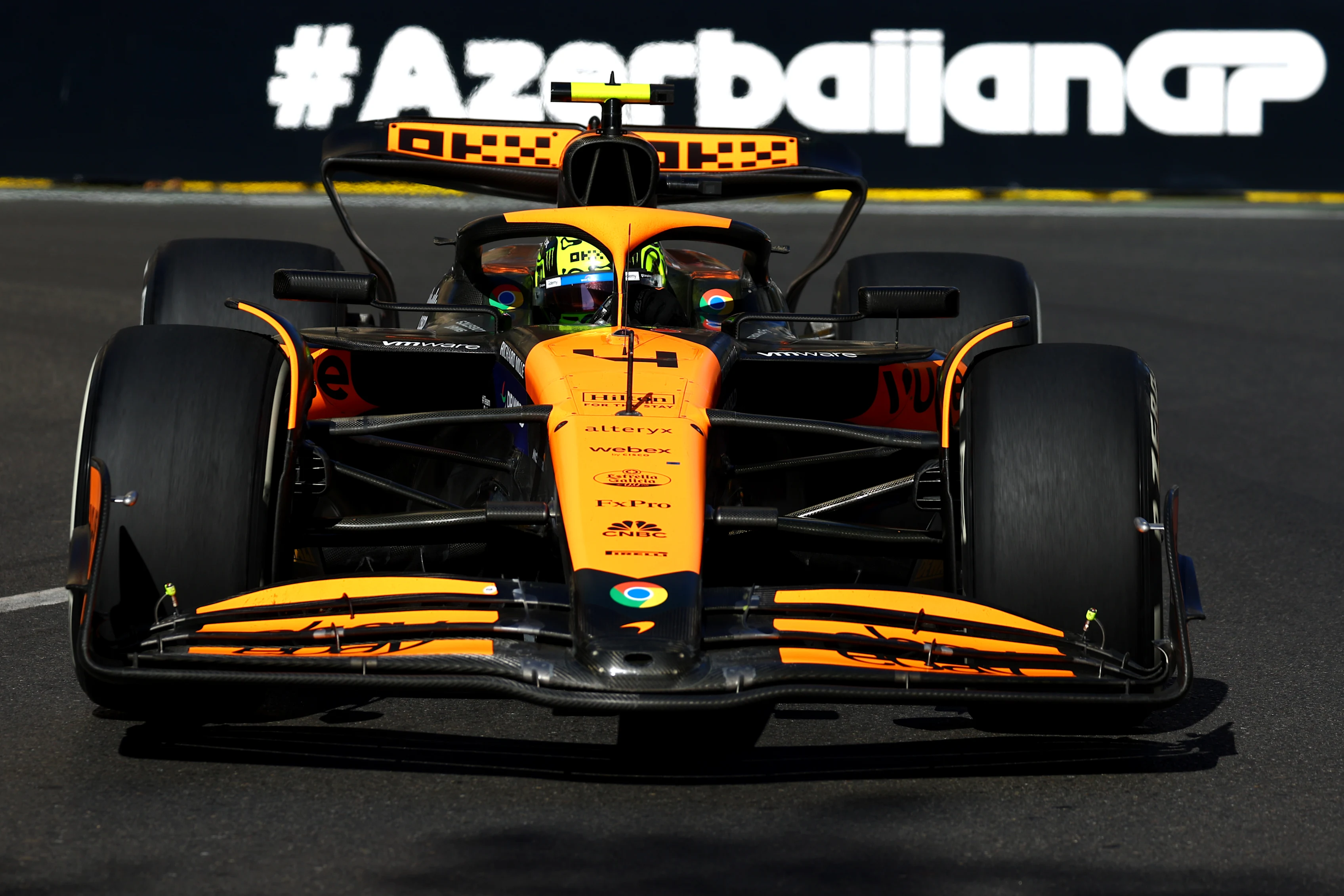
Albon boxed on Lap 31, but Norris kept pushing. He was passed by first Carlos Sainz and then George Russell on much fresher hard tyres, but was still lapping quicker than the cars in his pit window, and kept going until he cleared the majority.
Running P6, Norris eventually stopped on Lap 37, losing only one place, to Max Verstappen.
He came out 15s behind Max, but was able to use a tyre delta of around 1.5s on the new medium compound to close that gap, and pass the Drivers’ Championship leader two laps from home, reclaiming P6, which transforms into P4 when Sainz and Sergio Perez collided ahead.
With Oscar Piastri winning the race, it’s enough to take McLaren back into the lead of the Constructors’ Championship for the first time since 2014.
“After the unfortunate yellow flag in Qualifying, which led to Lando getting knocked out in Q1, we chose to deviate from the conventional strategy and run an extended first stint with the aim to get back into the Race with the lead pack,” says Randy.
“Choosing the timing of the reverse strategy pitstop is a fine balance between having enough tyre delta on the cars you are racing to be able to overtake, while also reserving enough laps remaining to capitalise on the pace advantage and close the gap.
In this case, Lando was able to exploit the pace of his medium tyres, which were 25 laps fresher, closing in on Verstappen and passing him before the end of the race.”
The Drivers’ Perspective: Leonardo Fornaroli
The 2025 Formula 2 drivers’ champion is now McLaren’s reserve, conducting FP1 sessions and simulator work for the reigning Constructors’ Champions. This is his view on the Baku City Circuit
.webp)
“Despite the very high speeds, Baku has the feel of a street circuit. There is no room for mistakes – and because of those high speeds and corresponding heavy braking, it’s very easy to lock-up the front wheels, miss the corner or crash into the wall.
“The main straight is the longest on the F1 calendar, because the last two official ‘turns’ are easy-flat in an F1 car. It was a bit more marginal in F2!
“It makes it really important to have good straight-line speed, and so the cars will run with low downforce… but you have to give some importance to the low and medium-speed corners.
“One of the interesting things about Baku is that the grip evolves really quickly. Between the start of free practice and Qualifying, it’s incredibly how much it grips-up.
This is because road cars are using these streets until a day or two before we begin running, and that means the circuit we start on is covered in dust and dirt. It takes some time to clean-up, with the racing cars sweeping it clean and laying down rubber, and you can feel that evolution across the sessions.
“It is still evolving in Qualifying, and that creates a conundrum. It’s a circuit where every lap may be crucial, because it’s a track where red flags can come out of nowhere, so, as a driver you really have find that compromise being on the limit, but trying to not make any mistakes.”
The Greatest Race: 2017 Azerbaijan Grand Prix
The first Azerbaijan Grand Prix, and the second race on the Baku City Circuit was, using the appropriate technical language, a real snorter.
We had reversals of fortune, Safety Cars, red flags, cars that had retired deciding to rejoin, a World Champion throwing the toys out of the pram, overtaking all the way to the finish line, a podium debutant, and everyone scratching their heads trying to figure out how Daniel Ricciardo won.
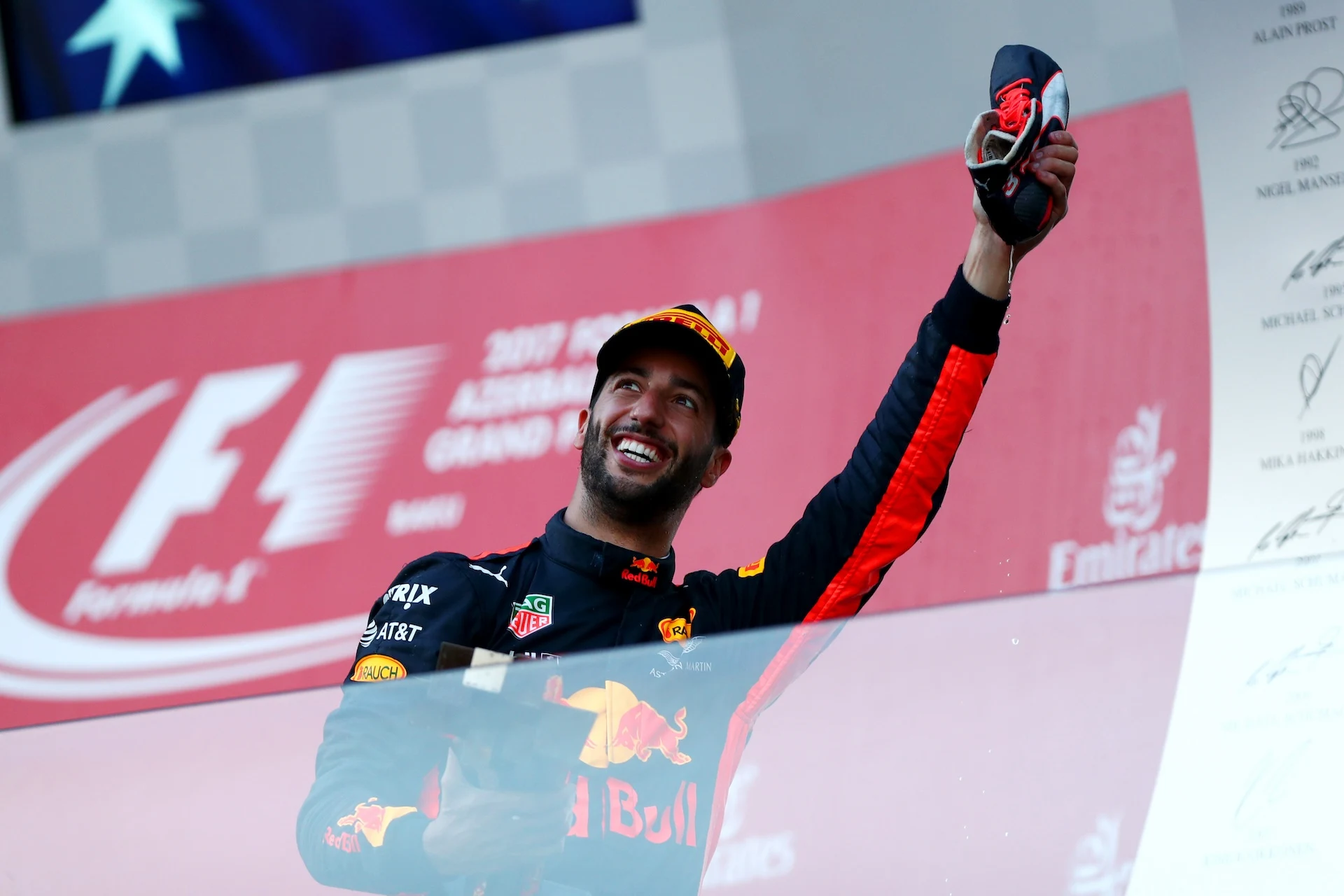
But for the most part, what we had was some great overtaking, and a very exciting race that kept the thrills going all the way to the chequered flag.
Every so often, F1 convulses into a paroxysm of crazy. It can’t be measured or explained, but you know it when you see it. Baku 2017 was such a race. On the first lap we had Kimi Raikkonen and Valtteri Bottas colliding, resulting in a puncture for Bottas and him re-emerging from the pits a lap down.
Ricciardo was collateral damage: he had to stop on Lap 5 to have debris cleared from his brake ducts. He rejoined at the back and started to pass his way through the field.
The saving grace for Bottas was a Lap 12 Safety Car, that allowed him to un-lap himself. It also led to the bizarre sight of Sebastian Vettel, running P2, punting into the back of leader Lewis Hamilton and losing some of his front wing. An indignant Vettel squawked that he had been brake-tested, and extracted unilateral revenge, pulling alongside and barging into the side of Hamilton.
At the restart, we had Force India fratricide with Sergio Perez and Esteban Ocon colliding, and the race being red-flagged, with debris everywhere. The halt was long enough that Raikkonen and Perez, both of whom had retired, decided they weren’t quite done.
Somehow Danny Ric was up to P5. He hooked-up a truly magnificent restart, sailed into Turn 1 at a significant fraction of lightspeed, somehow kept it out of the barriers and was up to P3.
Vettel’s penalty for being a very naughty four-time World Champion was a 10-seconds stop-go, which took him out of the equation, but Hamilton also had to pit, his headrest having worked itself loose. Having been 17th on Lap 6, Ricciardo was leading by Lap 34, and never looked back.
Just as remarkable was the recovery of Bottas. Having been a lap down, he was third heading onto the start-finish straight for the final time and just managed to out-drag Lance Stroll to take second by a tenth of a second… but Stroll seemed very pleased with his first podium, and Williams’ first trophy for a year. It was a thriller.
The Risk Perspective is brought to you in association with Marsh, Formula 1’s Official Risk Partner and Official Insurance Brokering Partner.

Next Up
Related Articles
 Grosjean on why Mercedes' support has been key for Antonelli
 When is the earliest Antonelli could win the title?
 AS IT HAPPENED: All the build-up to the Azerbaijan GP
 BettingOur early Bet Builder for the Azerbaijan Grand Prix
 The bucket-list moments from the F1 calendar in Europe
.webp) 10 of the best off-track F1 moments from 10 years in Baku
10 of the best off-track F1 moments from 10 years in Baku